




Ways to Help Banff National Park During Your Stay
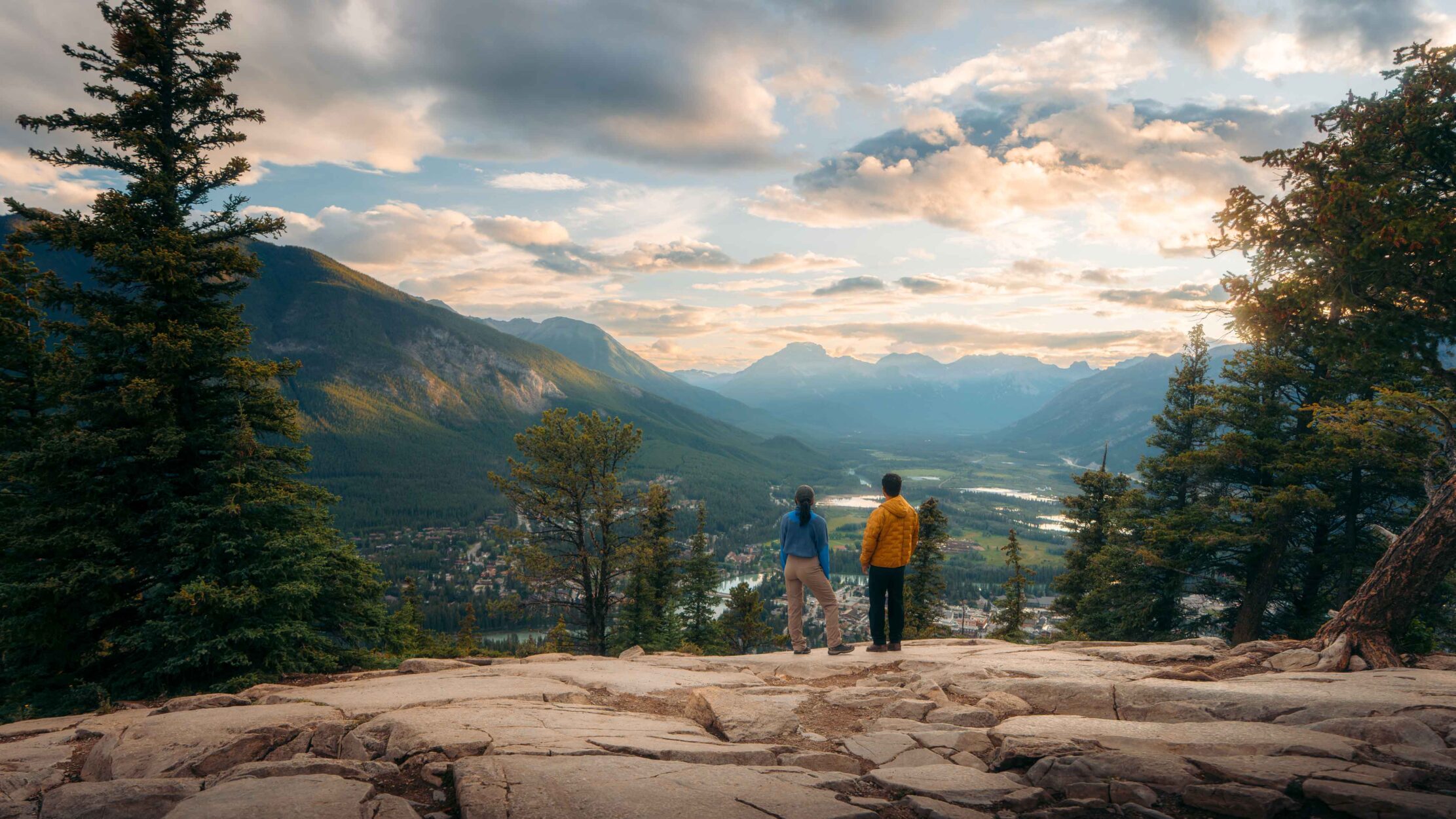
Travel Alberta | C&B Advertising


You’ve heard the saying before: “Leave the place better than you found it.” But when visiting the vast Rocky Mountain landscapes of Banff National Park – or any place in the Canadian Rockies for that matter – how exactly do you do that? Here are some ways you can help improve the wild spaces of Banff National Park during your visit. And what’s more, these things also improve your experience here.
Leave the Car at Home
You don’t want to drive in the mountains. The small towns with tiny streets are already packed, and what might sound like a great road trip can turn into sitting in traffic wishing you were somewhere else. Busy places like Lake Louise, and even the town of Banff at times, will turn vehicles away when they’re full, so it’s possible you’ll come all this way just to be told to move along. Not fun.
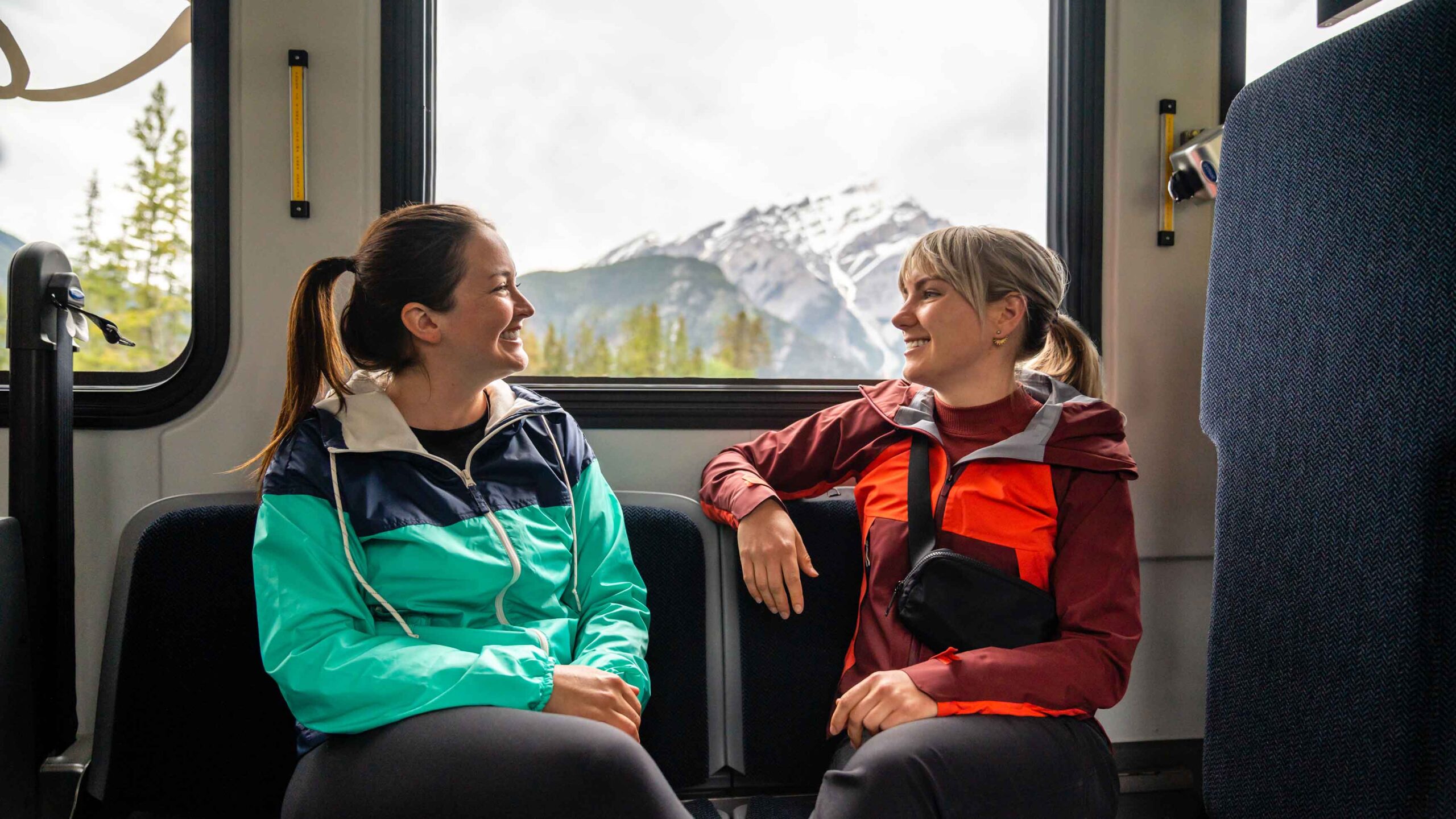
Travel Alberta | ROAM Creative
Instead, take transit, bike, or walk around these beautiful mountain spaces. There are transit options from the city of Calgary to Banff, and once there, there is great public transit provided by ROAM, shuttles to various attractions, and guided tours that do the driving for you. You’ll get to see the sights and you won’t have your eyes glued to the road. For a more DIY adventure, bring your bike, or rent one at various places throughout Banff and Lake Louise. You can slow down, enjoy the sights, and probably get to your destination faster than if you were stuck in traffic.
Learn about Wildlife
Seeing wildlife in the Canadian Rockies is a highlight to any vacation. Everyone wants to see a bear, and visitors quickly realize that elk and deer wander through town like they own the place. Because they do. When you visit the mountains, you visit the homes of these animals, and there are certain expectations that you will behave in a way that keeps them (and you!) safe.
The most basic recommendation is to keep your distance. If an animal lifts its head to look at you, moves away, or otherwise changes its behaviour, you are way too close. You are putting yourself at risk – and yes, elk and deer can become aggressive – and you’re putting the animal at risk too. How would you feel if someone came into your house uninvited and wouldn’t get out of your personal space?
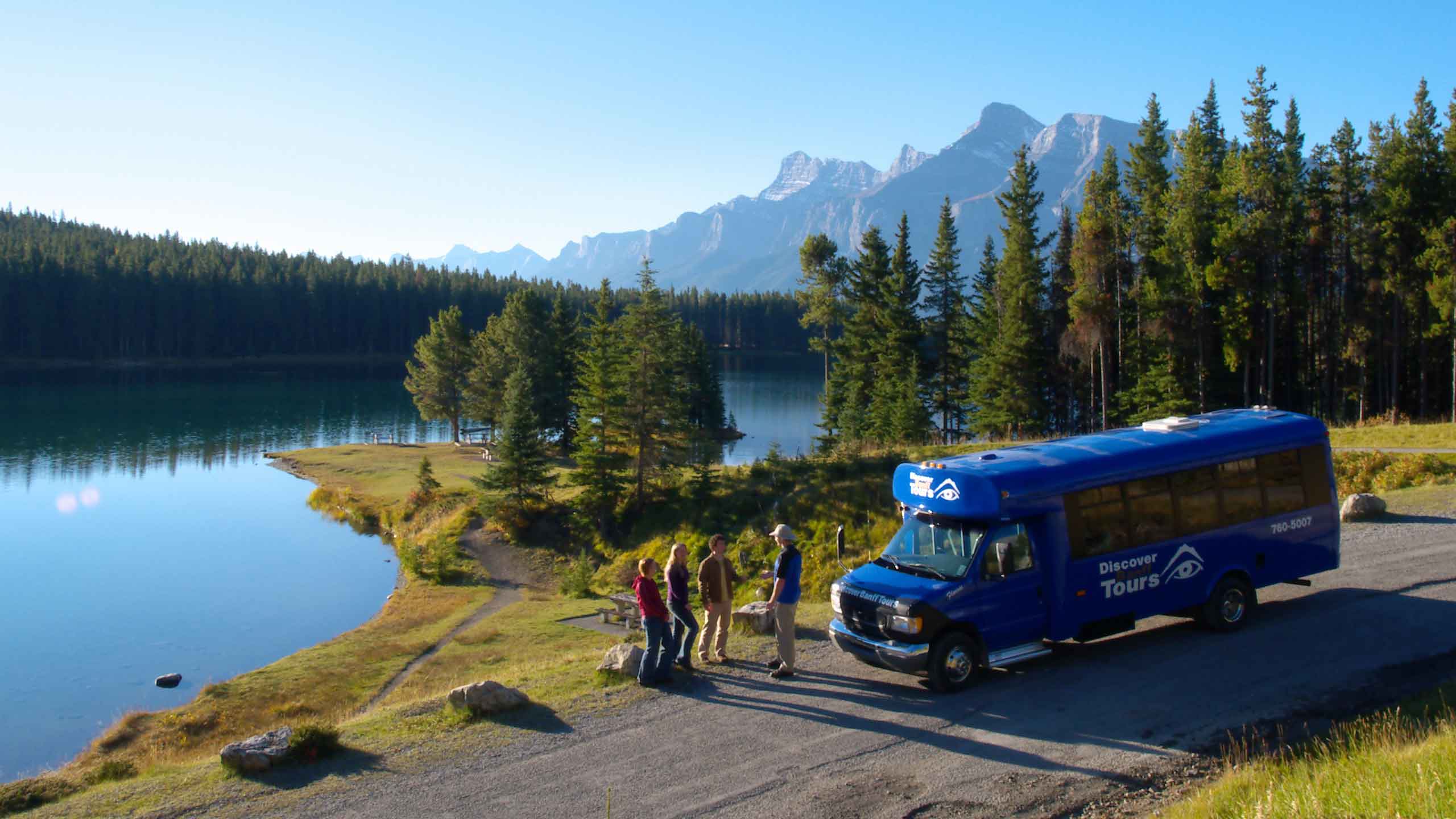
Discover Banff Tours
If you’re driving, don’t stop. Slow down, give the animal space, and carry on with your vacation. Hopefully your passenger has some great photography skills to capture a photo as you slowly drive by. Stopping can cause traffic issues, can stress the animal, or can lead to dangerous behaviour.
The best and safest way to learn about wildlife is to take a tour! Wildlife tours will bring you to the best places to see wild animals and your qualified guide will tell you all kinds of great information about the wildlife that lives in Banff. They’re fun, they’re informative, and they’re a great way to get photographs.
Be Mindful of Your Garbage
If you’re grabbing takeout, stopping at one of the excellent bakeries in town, or even packing a picnic, garbage happens. Banff has special wildlife-proof bins for garbage so that animals don’t become accustomed to human food. This may not sound like a big deal, but once an animal gets a taste of human garbage, they can become aggressive towards people because they’ve learned this is a way to get food. When that happens, you will face a hefty fine, but the animal often pays with their life.
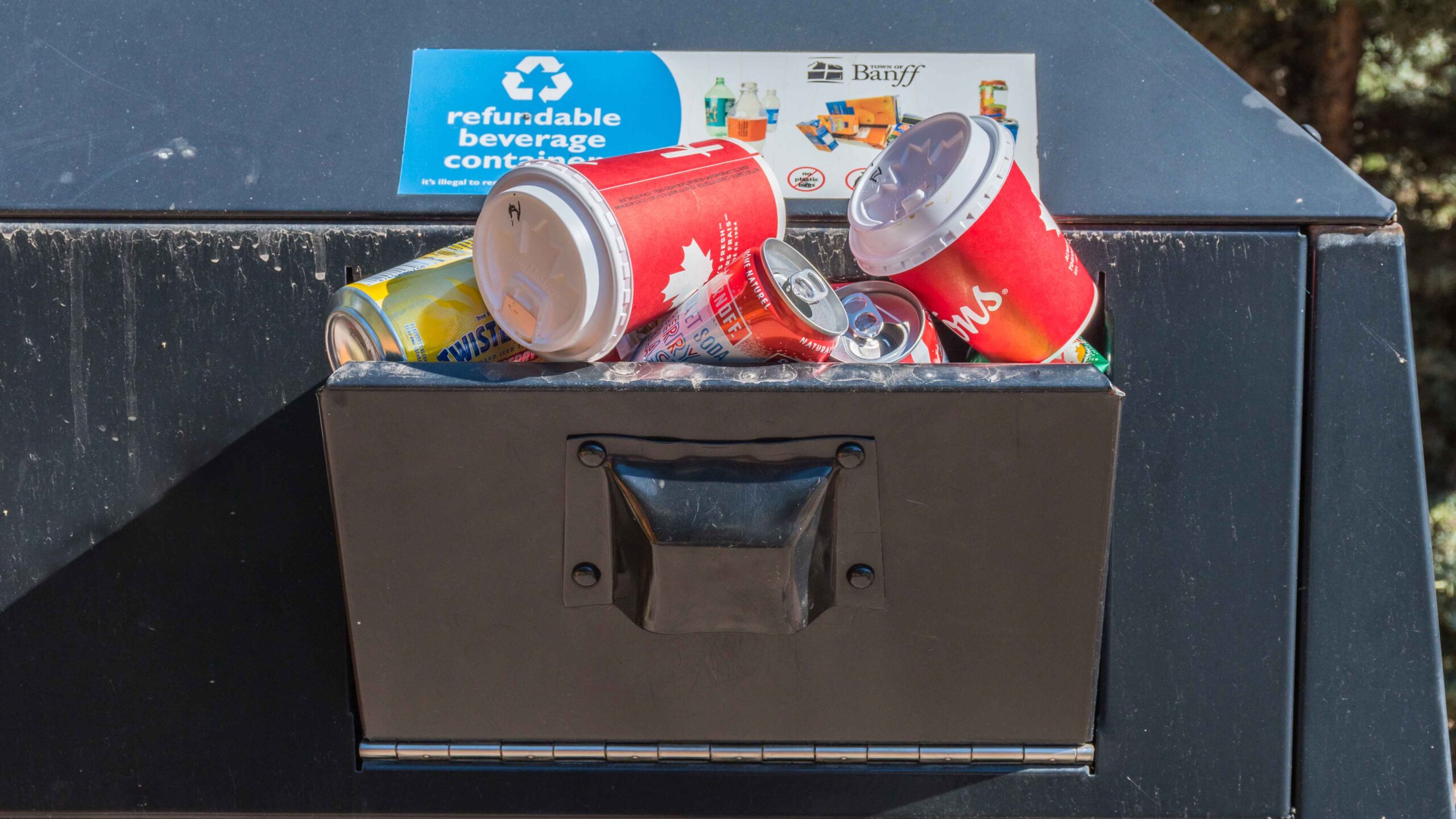
If the garbage is full, pack it out or find another garbage bin. Overfilling bins like this causes all kinds of trouble for wildlife.
When you’re hiking, walking in town, or enjoying the sights, make sure to pack out your garbage and dispose of it in the proper bins. If the bin is full, pack it our or find another one. If you’re camping, never leave your food unattended. Store food in the bearproof bins provided or in your vehicle with the doors closed and windows up. Here in Banff, we love our wild animals. We even name some of our bears! Have you heard of The Boss or Split Lip? We don’t want anything bad to happen to them, and your behaviour can have a direct effect on their wellbeing.
Bring a Reusable Cup
This one sounds small, but it can have a huge impact on the park and on your experience vacationing in it. Last year, Banff got about 4.5 million visitors. If every one of those people got just one coffee in Banff, that’s 4.5 million disposable coffee cups in the trash. That’s a lot of trash! If you have a reusable mug, bring it and help reduce the garbage being produced. If you don’t have a reusable mug, check out programs like Banff Borrows. Many coffee shops and restaurants throughout the town will provide reusable cups and you can just drop them off at any participating location when you’re done using it. It’s a great way to reduce your footprint, and it’s totally free!
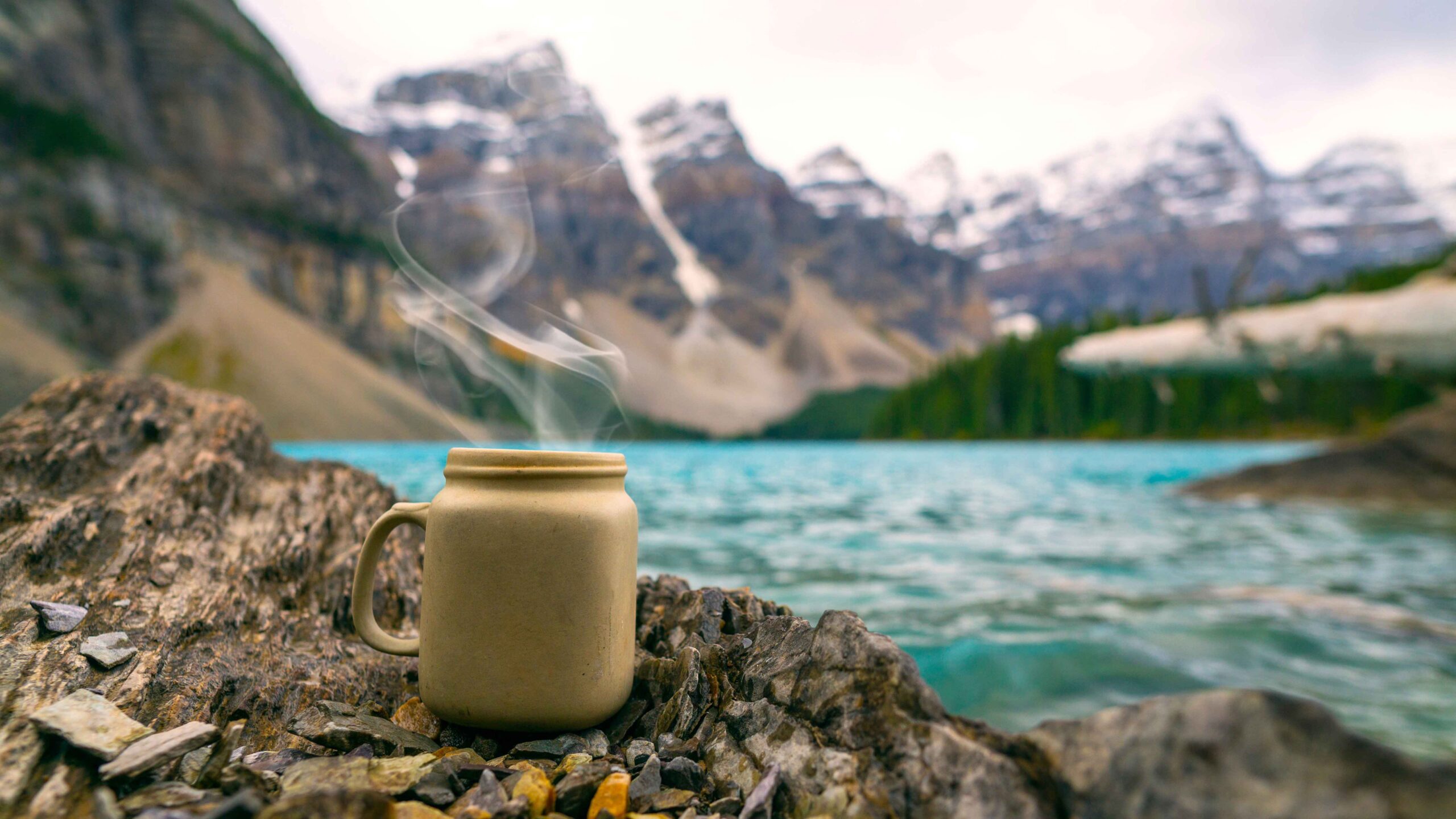
Bringing your own mug, or borrowing one, is a great way to cut out a lot of garbage from your trip.
What’s more, most places offer a small discount if you bring your own mug. So you can save a bit of cash, do a solid for the environment, and still enjoy a fantastic cup of coffee while visiting the mountains this summer.
Be Safe on Your Adventure
That hike is probably harder than you think. Not because you’re not fit, but because it’s at altitude with less oxygen than you’re used to, it’s more remote than you realize, it doesn’t have cell service, and there is wildlife everywhere. Make sure you are properly prepared with more food and water than you think you’ll need, proper gear for your adventure, and a way to let people know if you’re going to be late. You’ll want to choose an adventure that suits the least fit member of your group. That way everyone can enjoy themselves.
We’ve written articles about ways to be prepared for a mountain adventure and about mountain safety. If you’re unsure, it’s worth doing a slightly easier adventure. Trust us, they’ll all have spectacular mountain views.
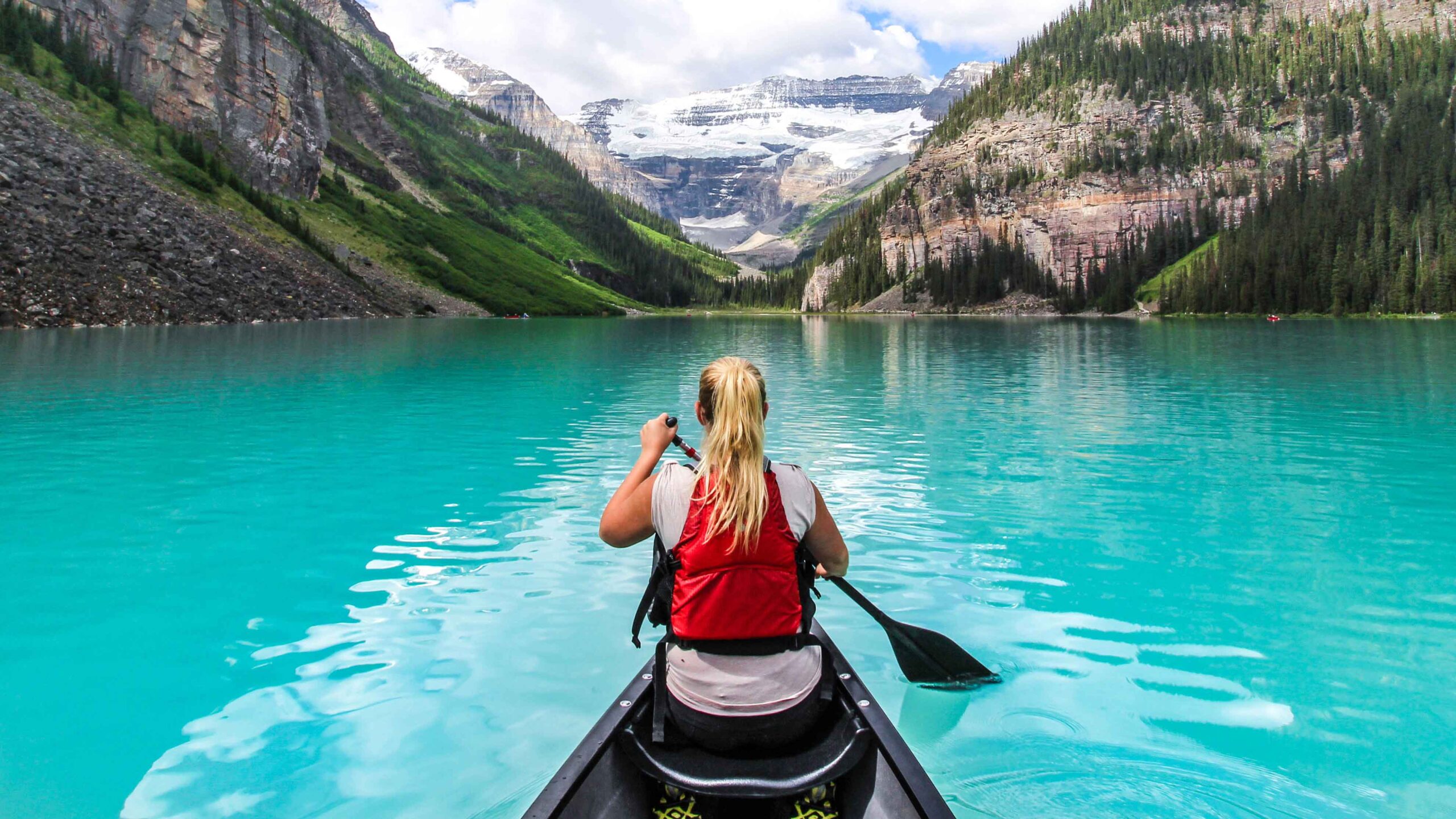
Seriously, wear your life jacket. Photo by Travel Alberta | Katie Goldie @goldiekatie_
If you’re going on the water, wear a life jacket, even if you’re an expert swimmer. The waters throughout the mountains are frigid at best, even on the hottest days of the summer. Your body will quickly go into shock if you fall in, and if you’ve never experienced glacial water before, you’ll find out why the locals only swim in certain lakes in the summer months. The water is cold. Life jackets save lives, so make sure everyone in your group is wearing one.
Be Kind to the People
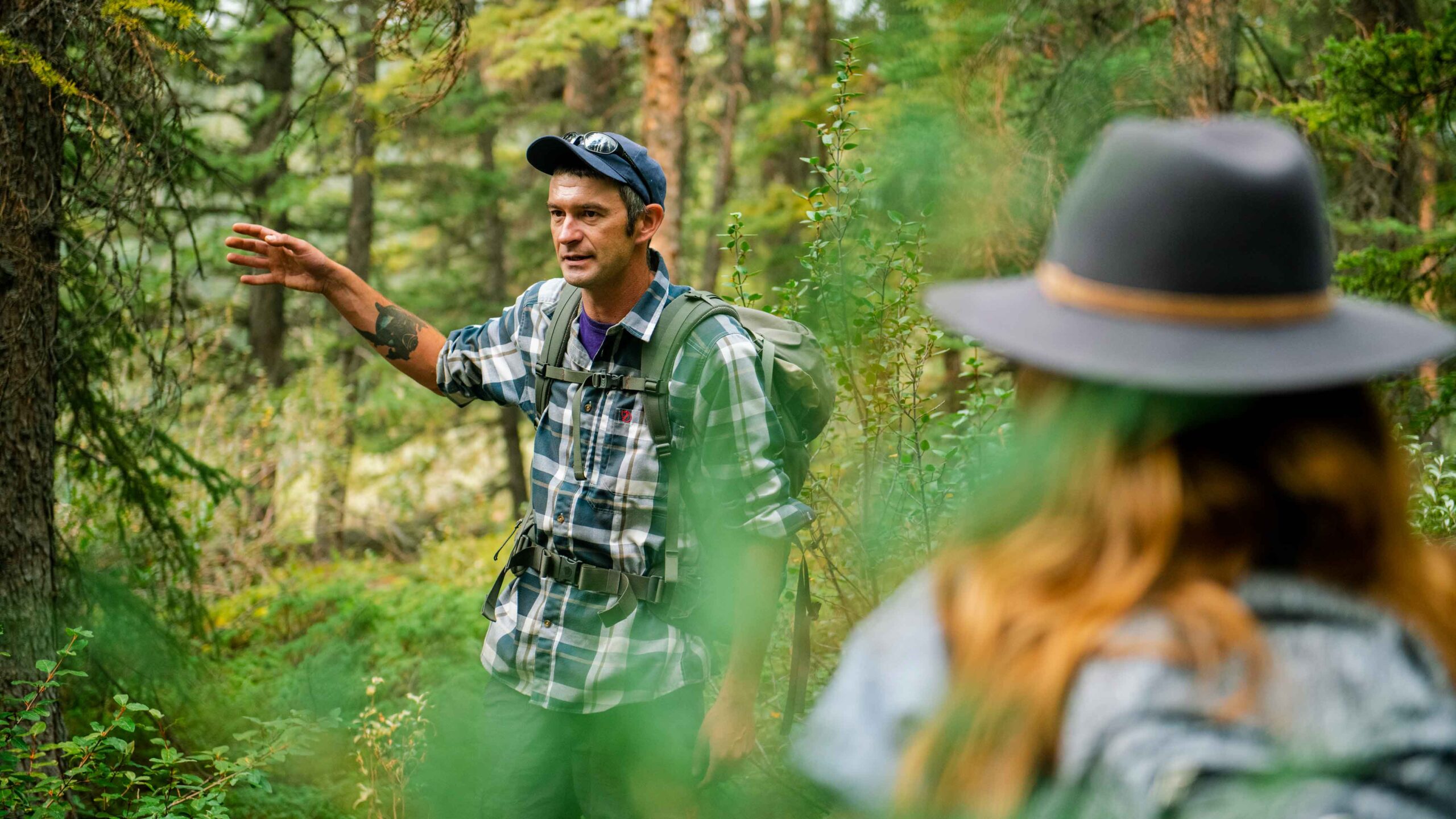
The First Nations have been stewards for this land for thousands of years. Learning about their culture can greatly improve how you spend your time in the mountains, and they can help you become stewards for this land so people can continue to enjoy it for generations to come. There are plenty of Indigenous experiences in Banff where you can learn something unique about the area.
Travel Alberta | North Grove Creative
Much like the wildlife who call this valley home, there are plenty of people who live in Banff, Lake Louise, and the surrounding communities. You may be enjoying the vacation of a lifetime, but these people are doing their day-to-day lives going to work, paying bills, and trying to get their kids to soccer on time. Be kind and courteous to the people who work hard to make sure your Banff vacation is spectacular. A smile goes a long way. So does saying “please” and “thank you” to your servers, cashiers, guides, booking agents, and anyone else you encounter on your journey. These people are all here to make sure you have a fantastic vacation, and if you help them out by showing some kindness, you’ll be set to have the trip of a lifetime in the Canadian Rockies.