





Summer Safety in the Mountains
Illustrations by Aiysha Manai


The mountains are nature’s playground. Dramatic scenery, untouched wilderness that stretches on for days, and all kinds of wildlife. As much fun as it is to play in the mountains, this environment is unforgiving, and staying safe is key to having a good time. Here are some key points for summer safety in the mountains.
Proper Footwear
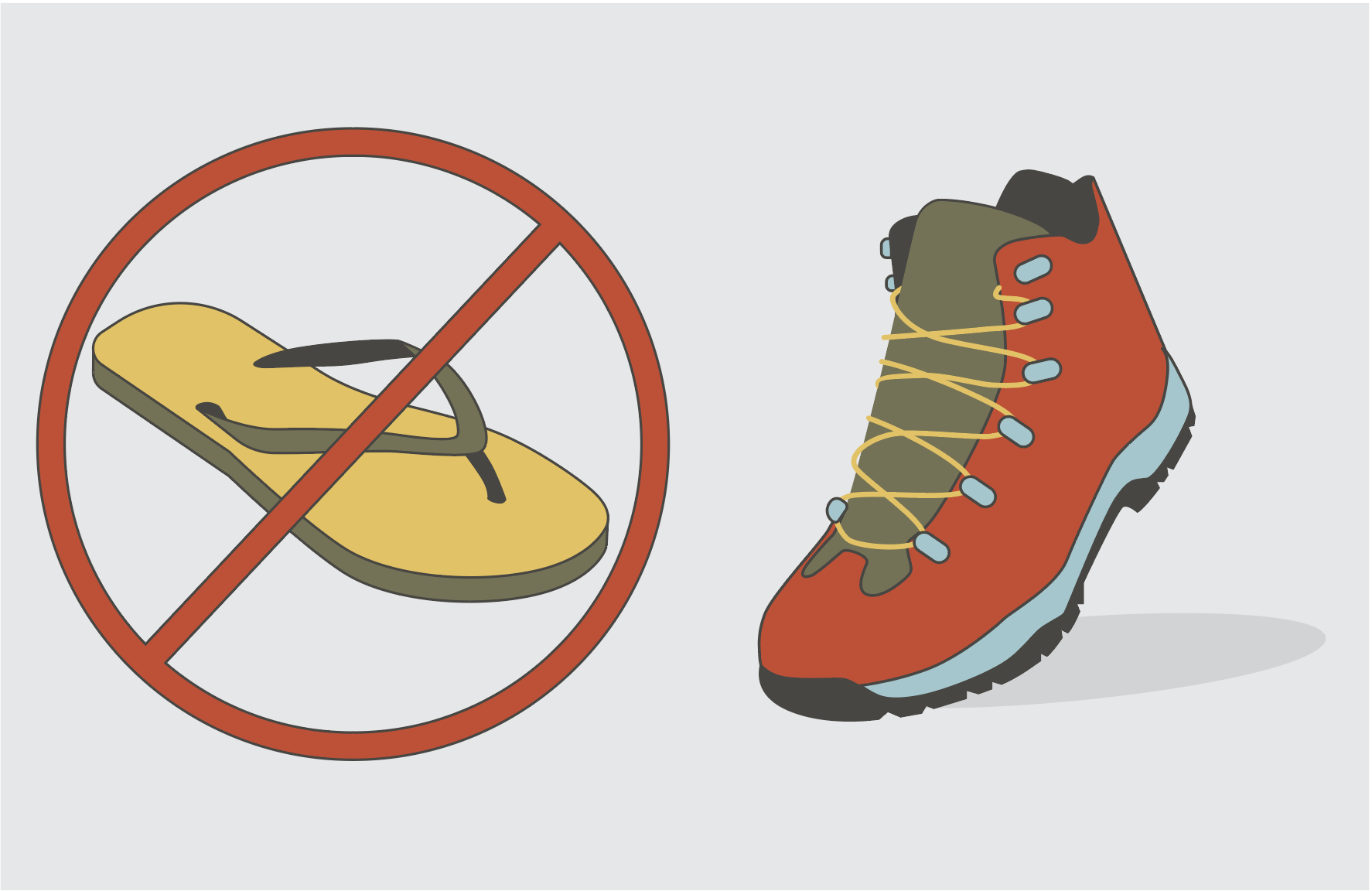
Flip flops are not adventure footwear! Make sure you’re prepared for the type of activity you’re doing. A gentle stroll around town? A pair of sneakers is probably enough. Going for a hike and tackling some elevation? You’ll want shoes with good grip or boots with extra support. Carrying a pack for a multi-day excursion? You’ll need some solid hiking boots to help your joints carry the weight. No matter what you’re doing, incorrect footwear will make your day miserable! If you don’t already have what you need, there are plenty of stores to buy from. We recommend Base Camp Outfitters in Jasper, Helly Hansen in Banff, Maximum Outfitters in Hinton, or Valhalla Pure Outfitters in Canmore.
Illustrations by Aiysha Manai
Bear Spray
Carry bear spray and know how to use it. Ideally, you won’t need to use this wildlife deterrent during your time here. If you travel in groups, make noise, stay on the trail, respect closures, and give wildlife lots of space, you shouldn’t find any trouble. But things happen, and sometime situations are out of your control. You’ll want to keep bear spray somewhere that’s accessible – not in your backpack! If you need to use it in an emergency, you’ll have less than 1.5 seconds to get it out and deployed, so you may want to practice once or twice with the setup that you choose. When it comes to wildlife safety and bear spray, there are all kinds of fantastic and free resources from local experts at wildsmart.ca.
A Satellite Communicator
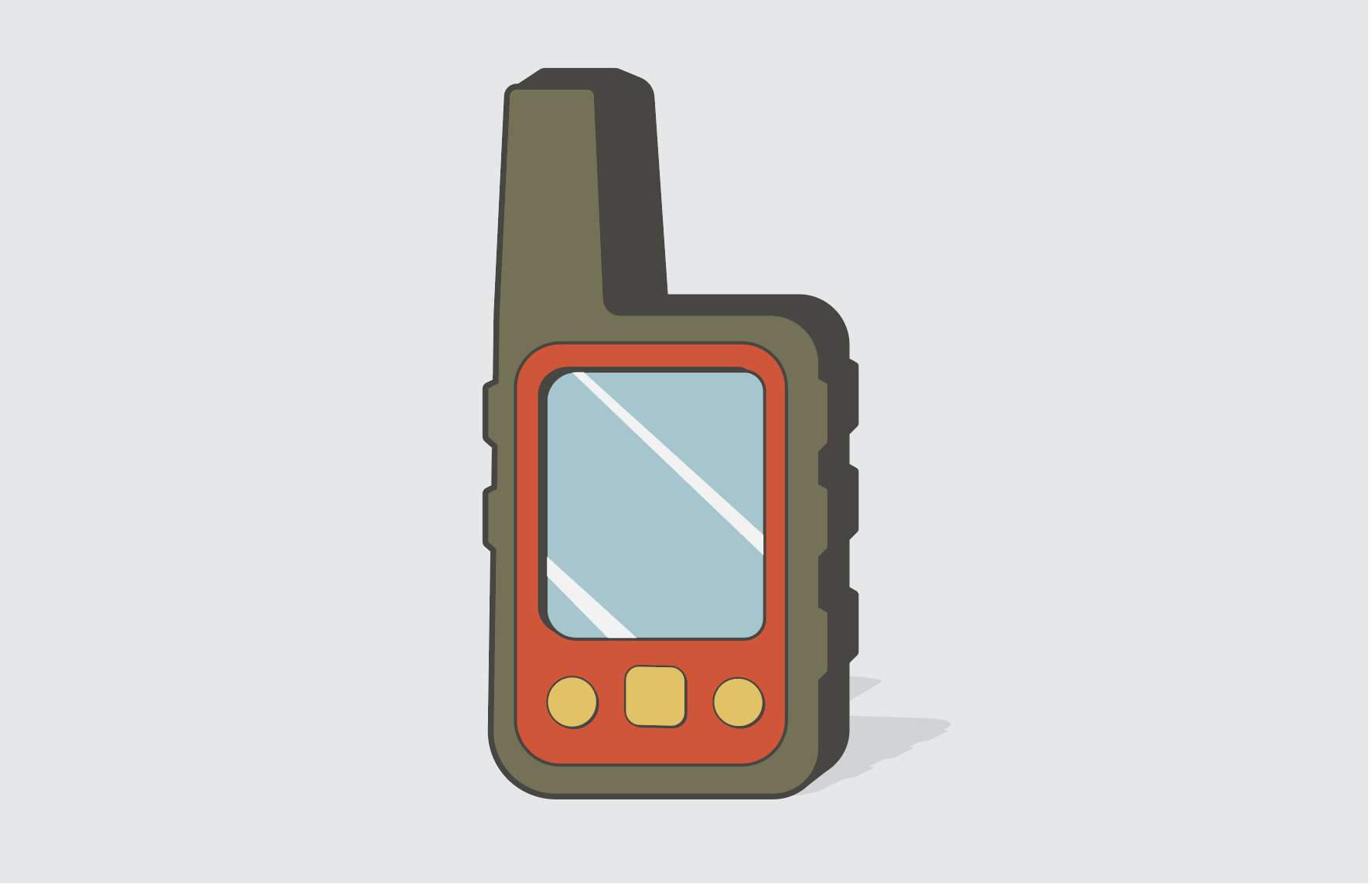
It’s important to tell someone where you are going and when you expect to return, but a satellite communicator is a great way to stay in touch in case things change, but there isn’t an emergency. Of course, if there is an emergency, hit that SOS button and stay put until help arrives! There are many different brands of satellite communicators available, and they all have slightly different features and price points. Do some searching and find out what works best for you.
Illustrations by Aiysha Manai
First Aid Kit
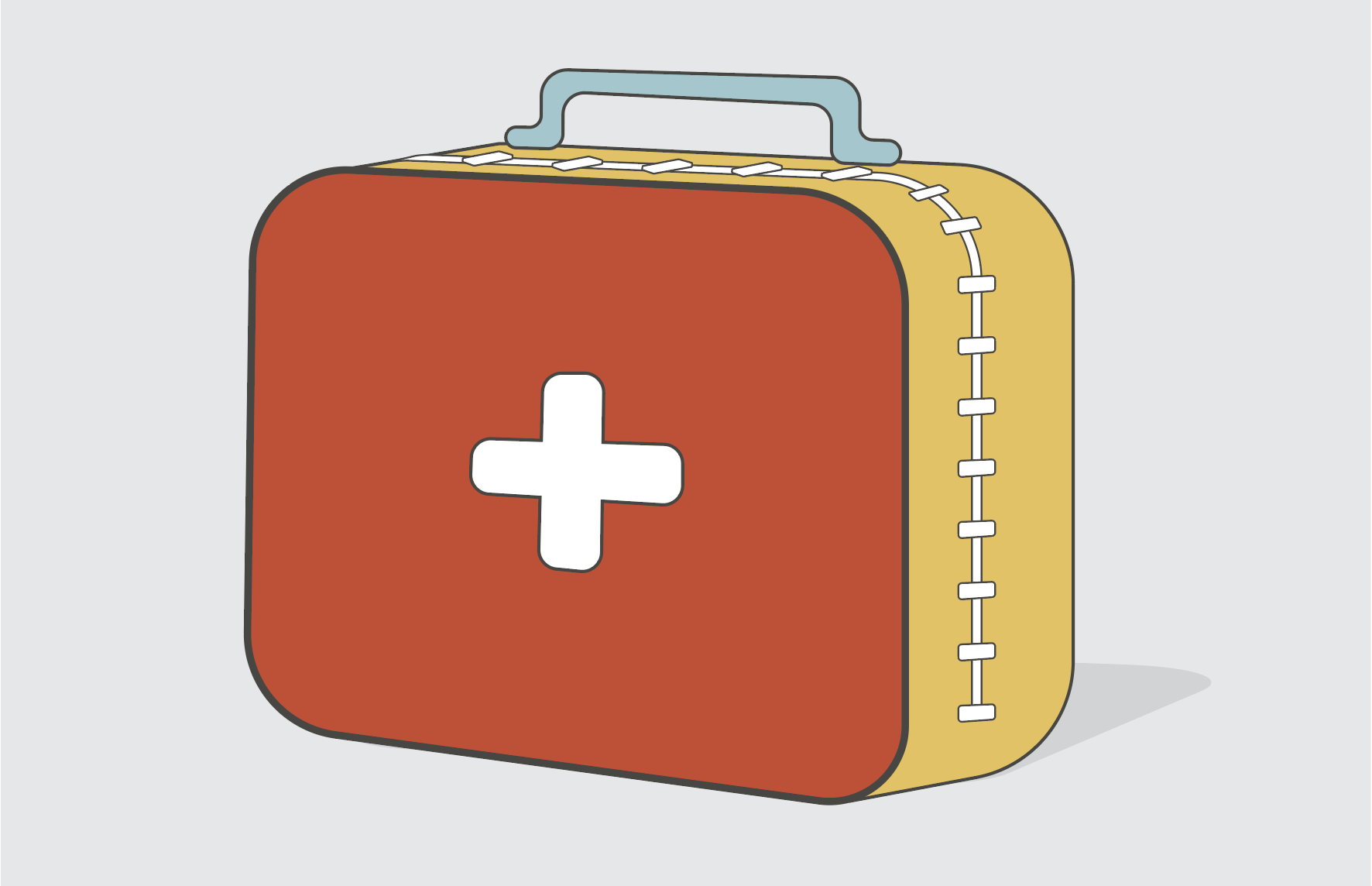
Cuts and scrapes happen. So do twisted ankles and even broken bones. It’s best to carry a first aid kit with you so you have the tools you need if the situation arises. There are pre-packed, affordable options available at most outdoor and department stores. A First Aid training course will make sure you have the necessary knowledge to use the items in this kit. For multi-day excursions, Wilderness First Aid is a valuable course that can make the difference between getting out safely and risking a serious injury.
If you’re adventuring with animals, make sure you have first aid supplies for them as well as the knowledge and skills to apply them. Animals often try to hide injuries from their human friends, so check them over regularly to keep them in top shape.
Illustrations by Aiysha Manai
Supplies to Spend the Night
Sometimes even the best laid plans go sideways. The Canadian Rockies are vast with steep terrain and areas far from civilization. Rescue won’t necessarily come quickly if something goes terribly wrong, but if you hit that emergency button on your communicator, help is on the way. Even on an easy hike, things can happen and you might be waiting for a rescue – sometimes overnight. Make sure you bring enough food and emergency supplies to last the night in case things take a turn for the worse.
What to expect during a mountain rescue
If you are mobile and can get out of the situation on your own, that is your best course of action. If you are in cell service, you can call 911 and explain where you are, what you were doing, and the nature of your emergency. Please note this is only for actual emergencies!
If you are in cell service, it helps to take photographs of the terrain around you so rescue teams can see what they’re dealing with. The rescue team might ask you to text those photos so they can have a look.
If you have a satellite communicator, hit the SOS and wait for the text communication. They will want to know what the issue is, why you can’t continue, what supplies you have, and they may ask more questions.
Sometimes, rescue teams will coach you on how to get out of a situation on your own. This is best for you and for them if it’s possible. If not, they will send someone looking for you. This might be via helicopter or it might be someone hiking up to get you. It all depends on your situation, how bad it is, and the terrain around you. It will feel like you’re waiting forever, but it is important to stay put so rescue teams can find you.