




An Ethical Photographer’s Guide
Dee Webb Photography


As a wildlife photographer who specializes in ethical photography, Waterton Lakes National Park holds a special place in my heart. The rugged mountains, lush valleys, and shimmering lakes set the stage for encounters with some of Canada’s most incredible wildlife. Waterton’s diverse environment allows us to observe nature wild as it was intended—a rare privilege and one I’ve come to cherish deeply.
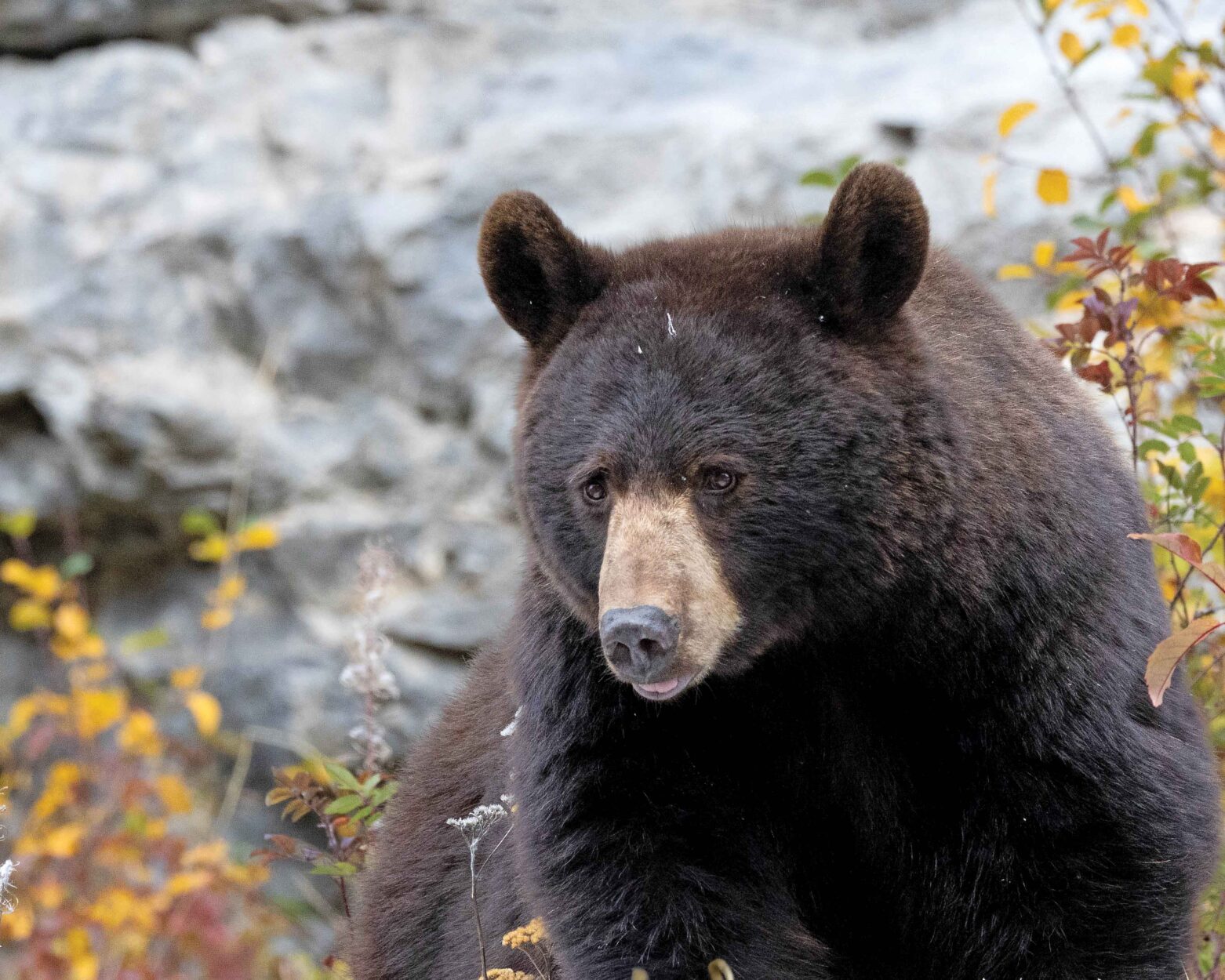
At all costs to the shot, the animals’ and the environment’s long-term welfare comes first. Photo by Dee Webb Photography
But with this privilege comes a duty to preserve these moments for future generations. At all costs to the shot, the animals’ and the environment’s long-term welfare comes first. With over 60 species of mammals living in Waterton Lakes National Park, every visit is unique, offering glimpses into the daily lives of bighorn sheep, black bears, many species of birds, and so much more. Wildlife can be spotted throughout the year, making each season in Waterton an invitation to experience nature’s wonders up close. However, it’s essential to approach these encounters with care and respect.
Wildlife Viewing: A Privilege and Responsibility
Every interaction with wildlife should start with respect. Watching a black bear foraging in the valley or witnessing elk bugling in the fall is awe-inspiring, yet it’s crucial to keep our distance and remain mindful of the impact we have. Animals in the park should be allowed to go about their lives undisturbed. Staying in your vehicle, giving them ample space, and never feeding them are foundational to keeping both animals and visitors safe.
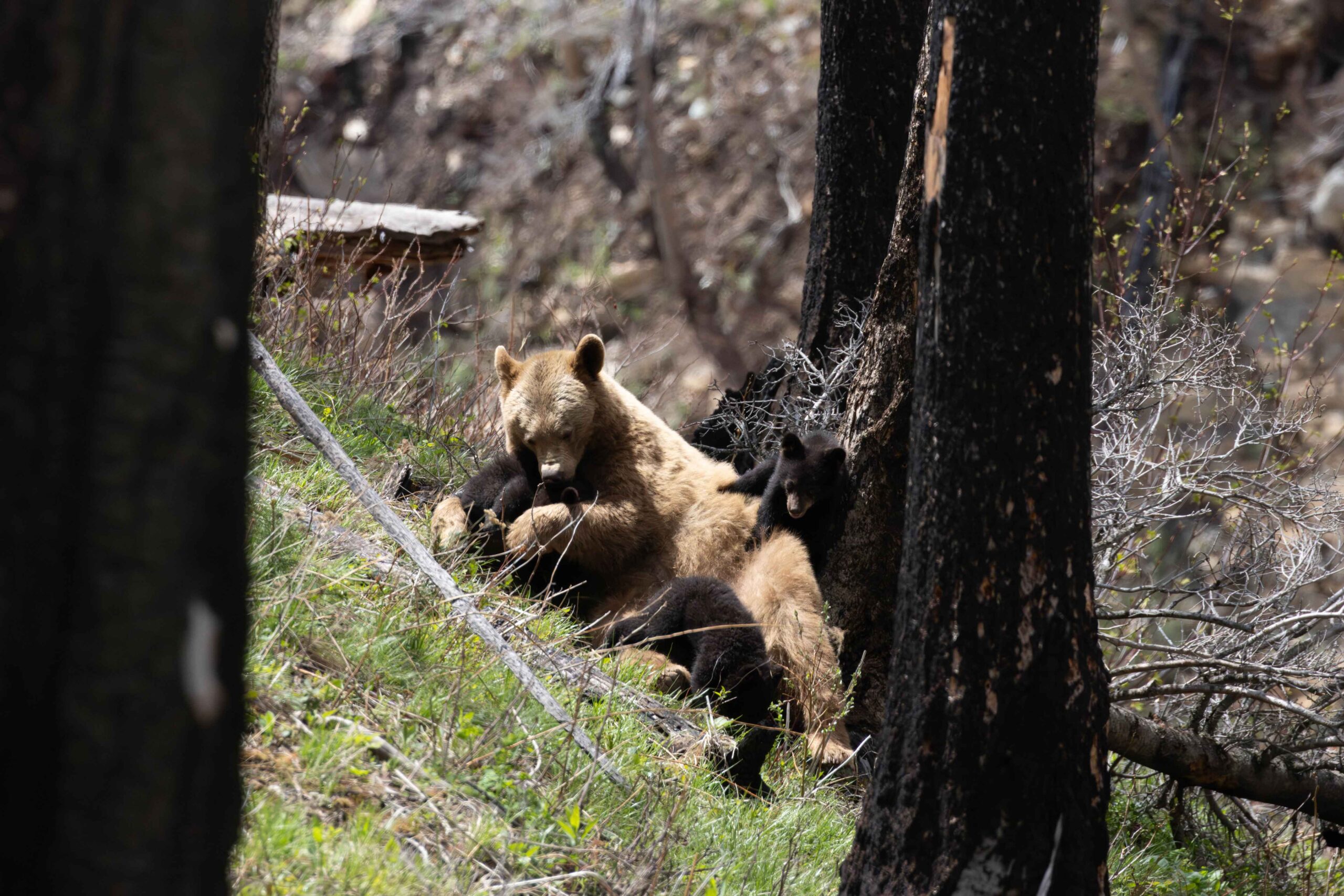
Animals should be allowed to go about their lives undisturbed. Photo by Dee Webb Photography.
Feeding wildlife may seem harmless, but it’s one of the most dangerous things we can do. Animals who lose their fear of humans are more likely to approach people, sometimes with tragic consequences. Habituated animals may be relocated or, in some cases, euthanized because of behaviours that were unintentionally reinforced. Stopping in a vehicle to view animals at very close proximity can have the same effect by conditioning animals to feel safe close to humans and vehicles. Our role as stewards of the park means keeping these animals wild and allowing them to thrive in their natural habitat.
Ethical Photography: Keeping a Safe Distance
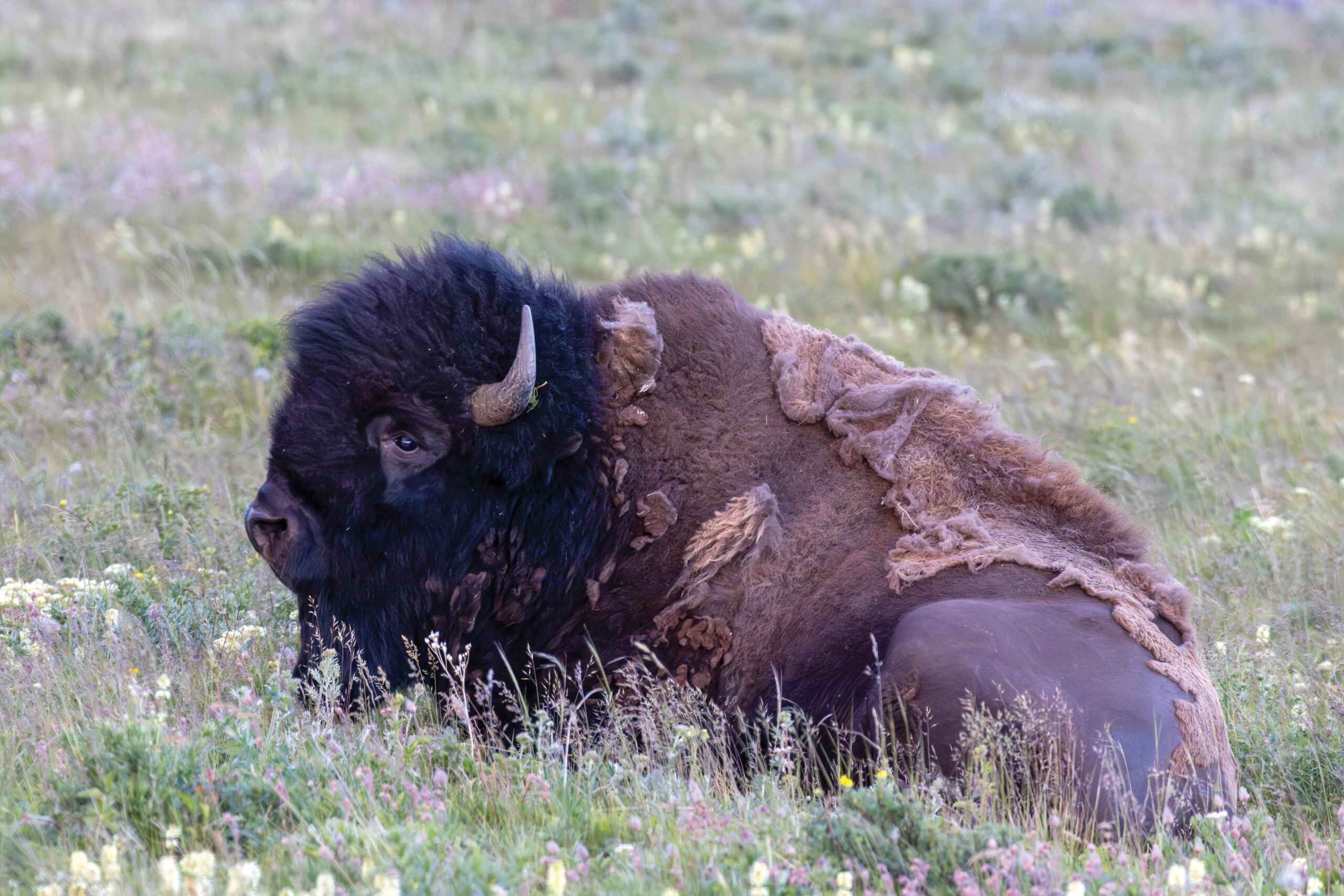
As photographers, we carry the responsibility of documenting wildlife without altering their behaviour. Long lenses are invaluable, allowing us to capture animals in detail without encroaching on their space. If you don’t have a telephoto lens, I suggest capturing the animal within its environment, which can beautifully showcase Waterton’s landscapes while respecting the animal’s space.
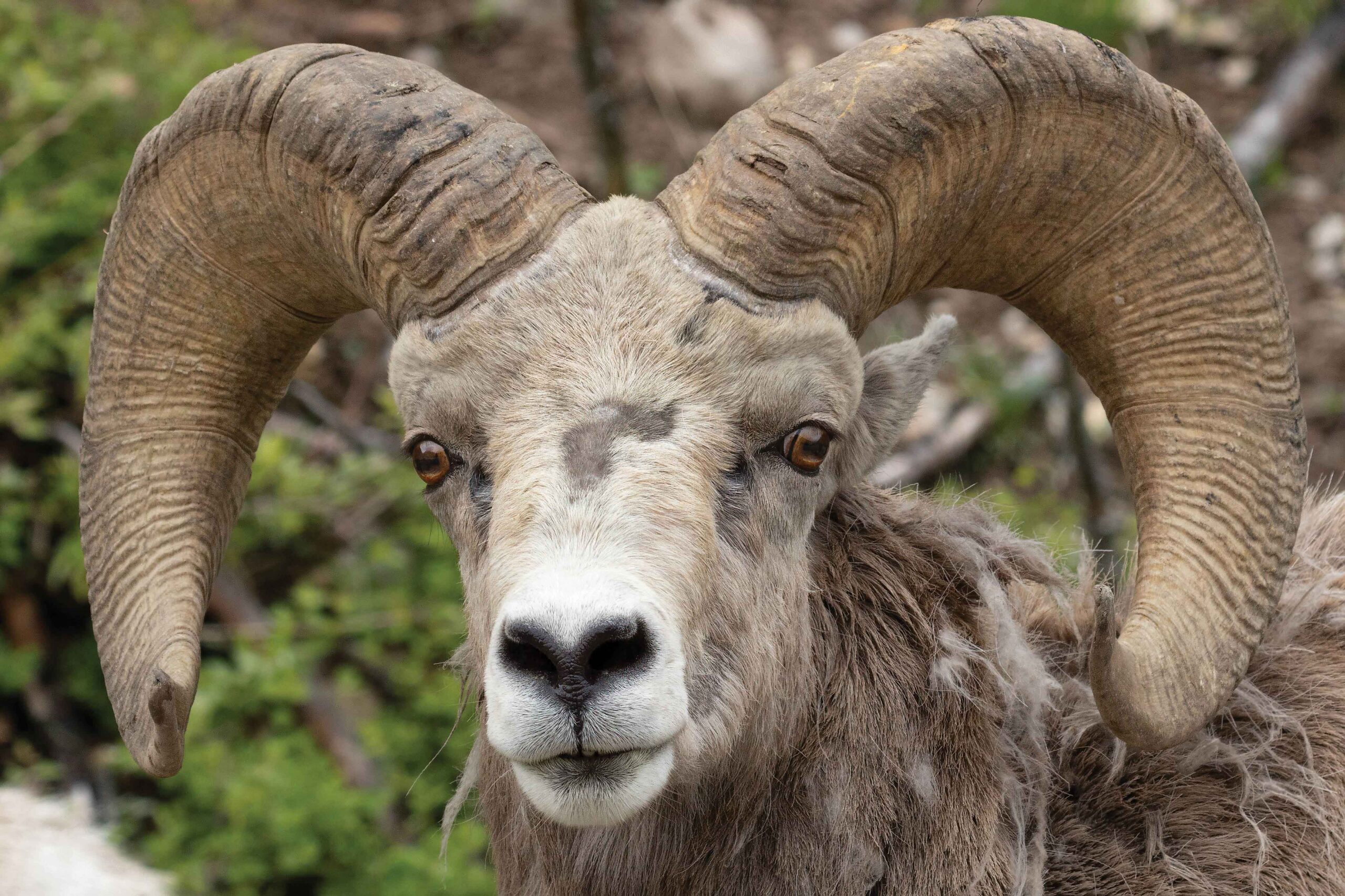
Long lenses are invaluable, allowing us to capture animals in detail without encroaching on their space. Photo by Dee Webb Photography
When photographing along roadways, be aware that animals often use these paths for easy travel or foraging. Sadly, hundreds of large mammals are killed on roadways in national parks each year, often injuring drivers and passengers in the process. Reducing speed, especially near curves and hills, can prevent accidents and save lives—both human and animal. If you come across a “wildlife jam” (traffic halted by roadside wildlife), please slow down, watch for traffic, and avoid blocking the road. Staying in your vehicle provides a safe, ethical way to observe and photograph animals up close. Please take a few minutes to observe and then move on so as not to disturb and change the animal’s behaviour. The best pictures are of animals exhibiting natural behaviour, not of animals that are feeling threatened by you being too close.
Being a Steward of Waterton’s Wildlife
Every interaction with wildlife leaves an impact. Ethical wildlife photography means balancing the desire to capture stunning images with a commitment to the well-being of the animals. If you don’t know, ask first. Waterton has an amazing team of wildlife specialists that are happy to answer your questions.
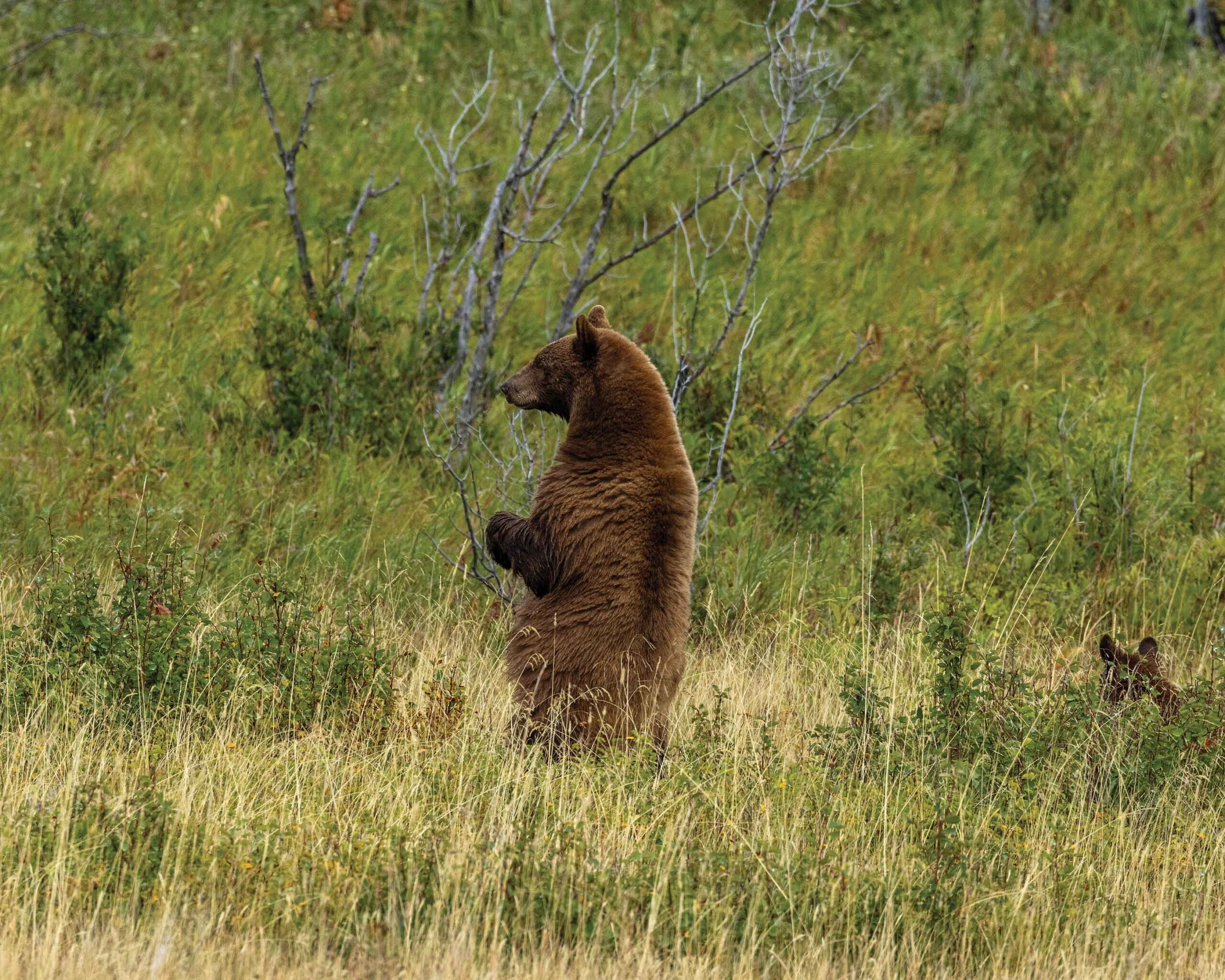
Ethical photography means balancing the desire to capture stunning images with a commitment to the well-being of the animals. Photo by Dee Webb Photography
By treating these creatures with respect, we ensure that Waterton remains a sanctuary where both humans and animals can peacefully coexist. If we work together to prioritize ethical behaviour, we’ll help keep Waterton’s landscapes wild and preserve these precious encounters for years to come.
If you are new to the area, you may consider hiring a guide like myself to help you have the best opportunities. Local knowledge of animal behaviour, recent sightings, and lighting can help you make the most of your limited time in the park. It’s also a great way to learn photography ethics while supporting a local business.
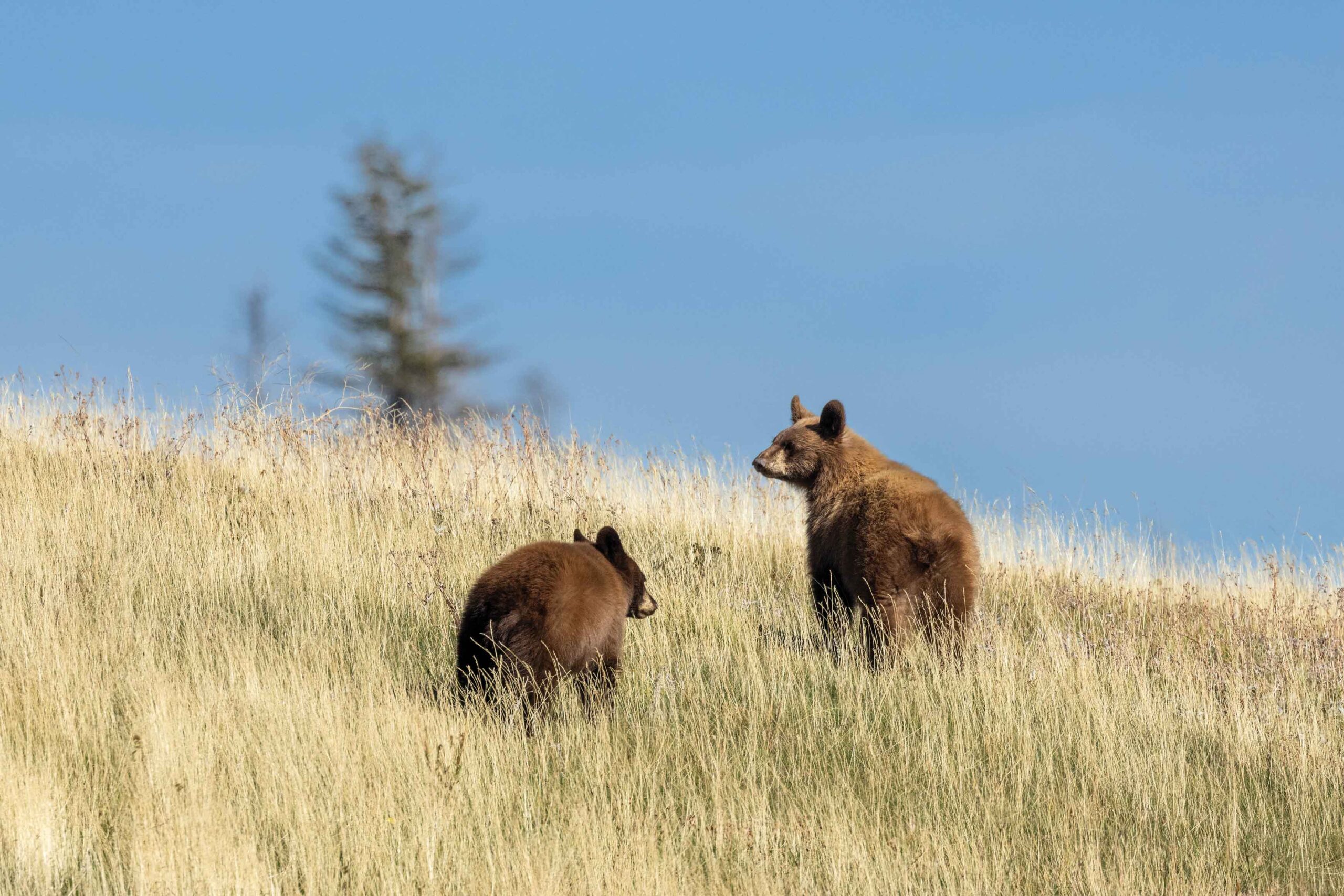
Local knowledge of animal behaviour, recent sightings, and lighting can help you. Photo by Dee Webb Photography
In the end, Waterton Lakes National Park is more than a destination; it’s a haven, a classroom, and a reminder of the world’s quiet beauty. As stewards of this space, let’s keep it that way—both for the wildlife who call it home and for the generations of visitors who seek a deeper connection with nature.
Ten Animals to Look Out for in Waterton
- Bighorn Sheep: A staple of the Rockies, often seen along open slopes and occasionally within the town itself. Keep your distance as the males have been known to charge.
- Black Bear: Found foraging spring through fall, usually around dandelions and berry patches. Waterton has a diverse range of color phases in our black bears, everything from a very light blond, cinnamon, brown, chocolate, and jet black and any and every variation you can imagine. Many people mistake brown-coloured black bears for grizzlies. If you look closely there are many differences. Please carry your bear spray in an easily accessible spot on the front of your body (not in your pack).
- Elk: Particularly majestic in fall when they are gathered in large groups and in rut (choosing mates for the breading season). Make sure to put your windows down and just sit and listen.
- Mule Deer & White-Tailed Deer: Regularly seen grazing in the grasslands near town. Be aware they can be quite aggressive, especially in the spring when they have fawns and when you have a dog.
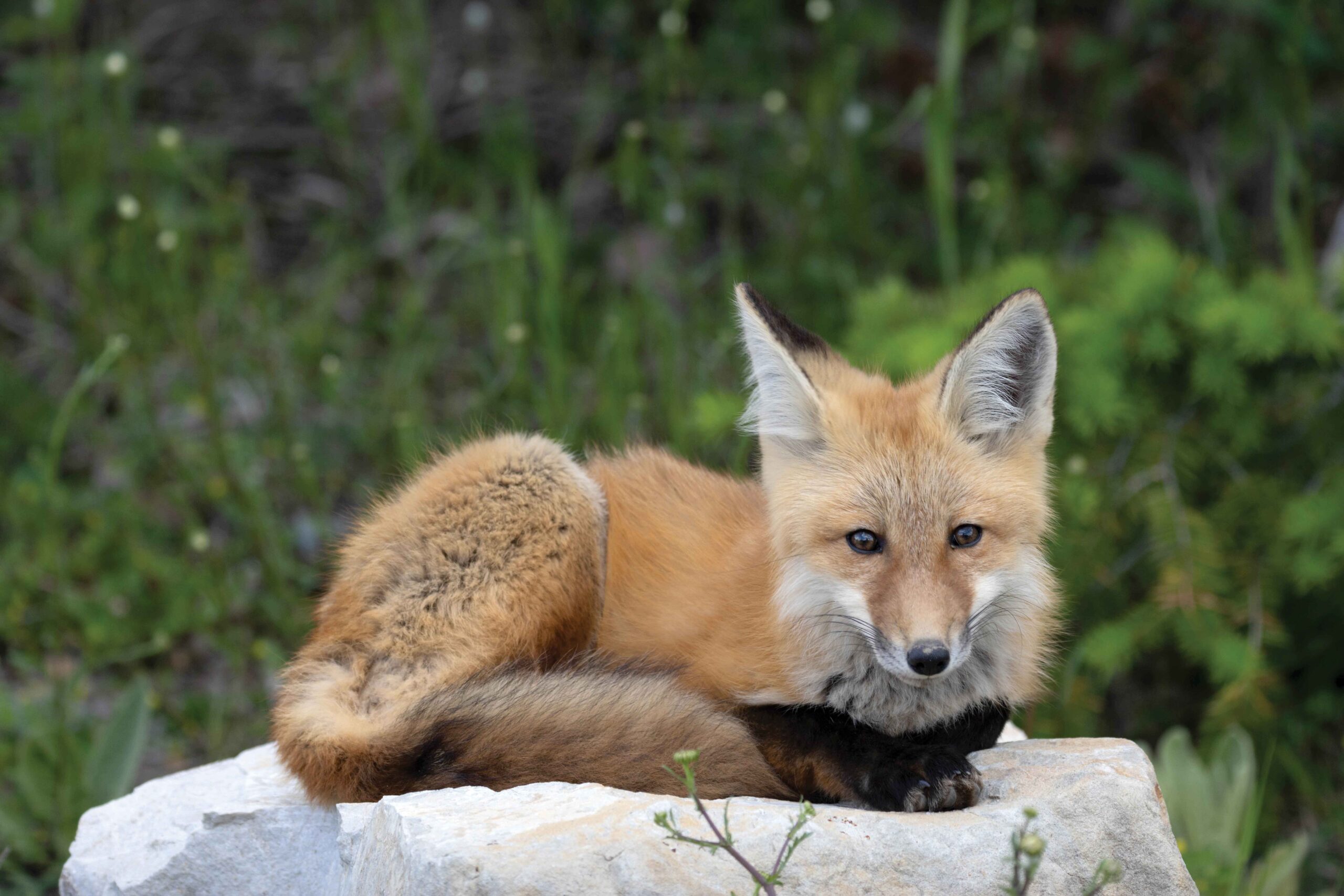
- Fox: A favourite for visitors, an active fox den in the spring is so fun to watch. Please keep your distance as fox, and especially their kits, are at risk of habituation to humans.

Photo by Dee Web Photography
- Moose: A rarer sight, typically around wetlands or near Akamina Parkway or towards the Chief Mountain border crossing.
- Columbian Ground Squirrel: Common along trails and in grassy areas, particularly near town.
- American Dipper: This small bird can be found by streams and rivers.
- Grey Jay: A friendly sight in picnic areas and along forested paths. These common birds are an essential part of our ecosystem, helping with reforestation.
- Grizzly Bears: Waterton is home to many more black bears than grizzlies, although throughout the year a few will pop up. They are much larger than the average black bear with a large hump between their shoulders.
To learn more about wildlife photography and to book a tour, visit deewebbphotography.com.