




Canadian Winter Driving Terms


When driving on Canadian roads this winter, you want to be prepared. You might hear these winter driving terms when looking up road conditions. Here are some popular terms and what they mean.
Bare You can see the asphalt of the road and it is largely clear of snow and ice.
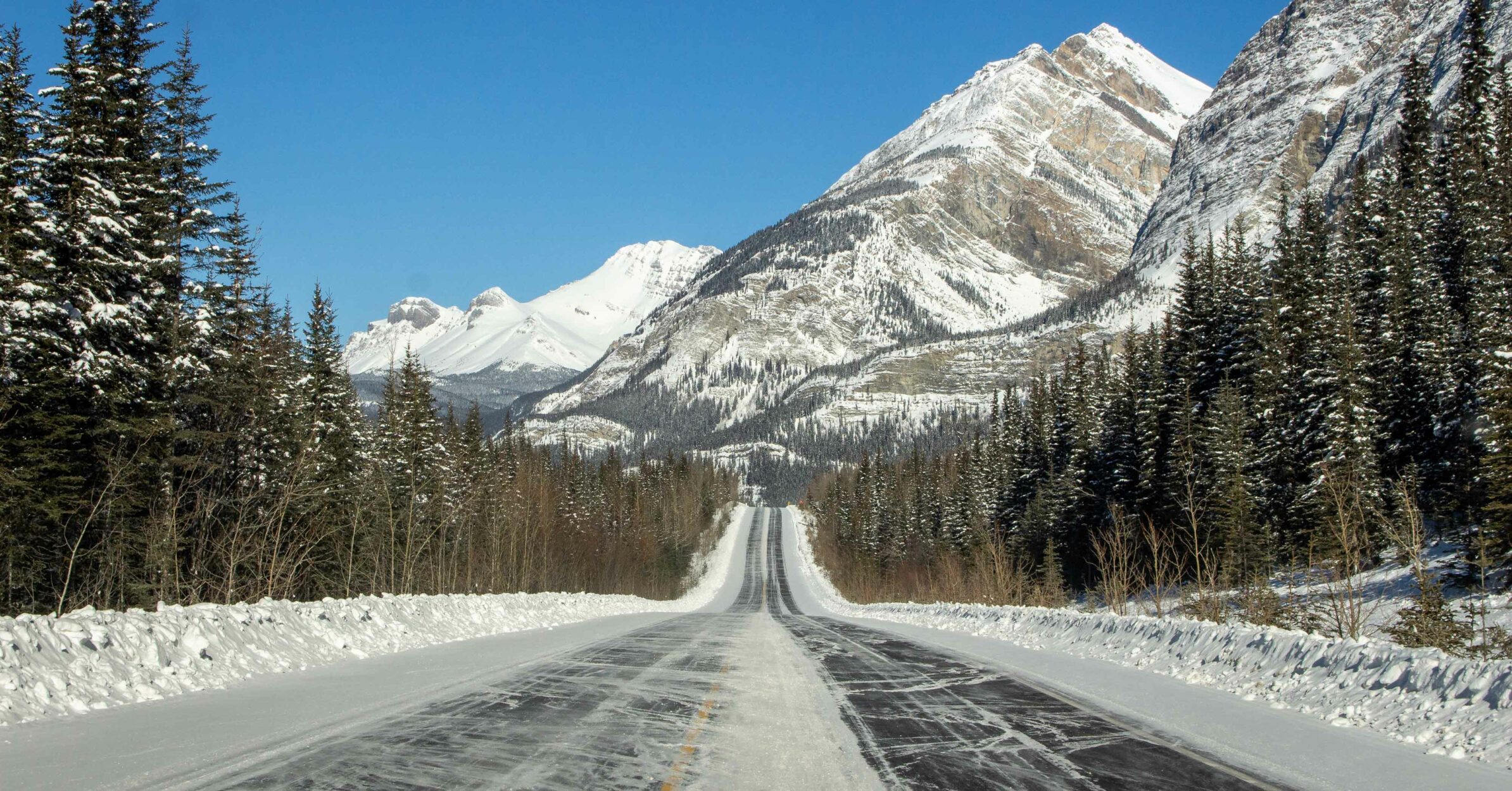
Centre Bare The tire tracks are largely clear of snow and ice, but the centre of the road, and often the centre of the driving lane, has packed snow and/or ice. Passing may be hazardous.
Snow Packed There is a layer of snow packed onto the road and you generally cannot see much of the asphalt. Snow packed roads may become icy with a high volume of vehicles.
Snow Covered There is snow covering the roads, but it’s not necessarily packed down. There will likely be blowing snow kicked up by other vehicles. It can be difficult to see when snow is kicked up by passing vehicles.
Slushy Slushy roads are covered in a wet snow/water mixture that splashes up behind and beside vehicles. Your vehicle will be covered in road sand and salt that gets kicked up with the slush. Make sure you have lots of wiper fluid and clean your windshield regularly so you can see.
Icy Icy roads are dangerous. Slow down, leave lots of room between you and other vehicles, and know that your braking and turning abilities will be compromised. Consider rescheduling your activities or waiting until the snowplows cover the road in salt and sand for grip.
Black Ice Perhaps the most dangerous winter road condition, black ice occurs often on sunny days. The warm sunshine melts the top layer of snow which covers the road. When the temperatures dip or the wind picks up, this thin layer of water freezes. You can see the asphalt, but you can’t see the ice on top.
Blowing Snow This often refers to snow blowing in the wind over the surface of the road. It can be mesmerizing, making it hard to see. It can also hide other road conditions and cause icy sections if particles of blowing snow melt on the hot asphalt and freeze in the chilly wind.
Star Wars Snow When driving thorough heavy snowfall at night, the snowflakes reflect your headlights back to you and create a bright vortex (like when the ships jump into hyperspace in Star Wars). High beams often make this effect worse. Slow down, and drive according to what you can see.
Whiteout This happens when the snow is blowing everywhere and you can’t see. Turn on your hazard lights for other drivers and drive according to what you can see or pull completely off the road if it is safe to do so. Do not stop in the driving lane.