




Winter Driving Safety: Get prepared to enjoy the snowy season!
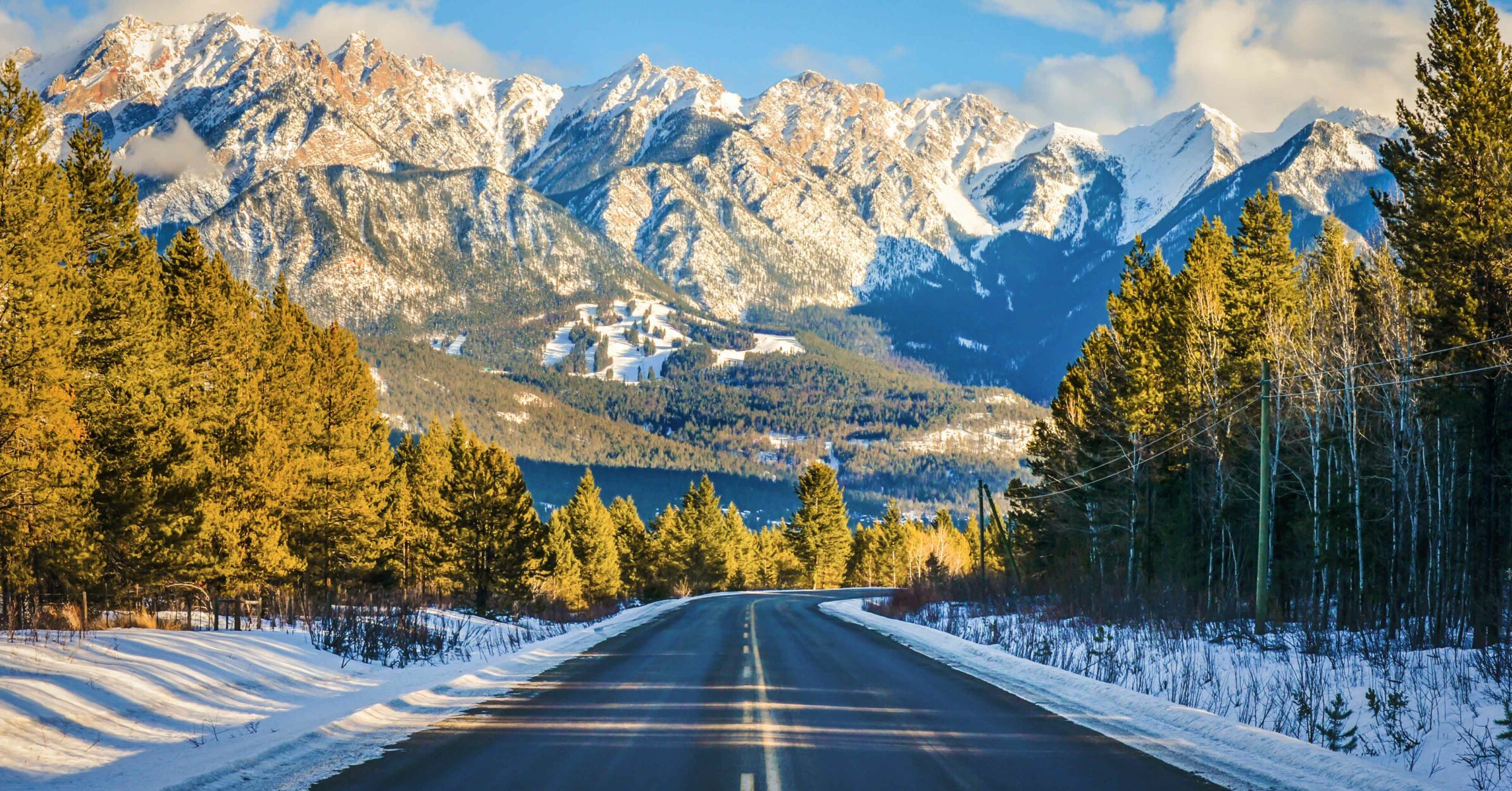


You’re just driving, right? Your heat is blowing, you have seat warmers turned on, and you have some good tunes pumpin’ through the speakers. You’re excited to face the day. But driving in winter and driving in summer are two different activities, and for people who don’t come from freezing or snowy climates, it can be a bit of a shock to hit the winter roads. Here are some of our best practices for winter driving safety.
Before You Go
Before heading out, it’s important to check the road conditions. Weather can change suddenly, but knowing the conditions before you go can help you prepare for the drive ahead, or help you decide to wait another day before heading out on that road trip. Roads that are “bare” or “centre bare” means your tires are likely going to be on asphalt during the drive. On sunny days, these roads can be deceptive when the warm sun melts the surface layer of snow onto the black asphalt only to have it freeze in the chilly temperatures. This condition, called “black ice” isn’t something you can see from the driver’s seat, but you will feel it when the vehicle loses traction. Check out our list of common winter driving terms if you're looking up the road conditions.
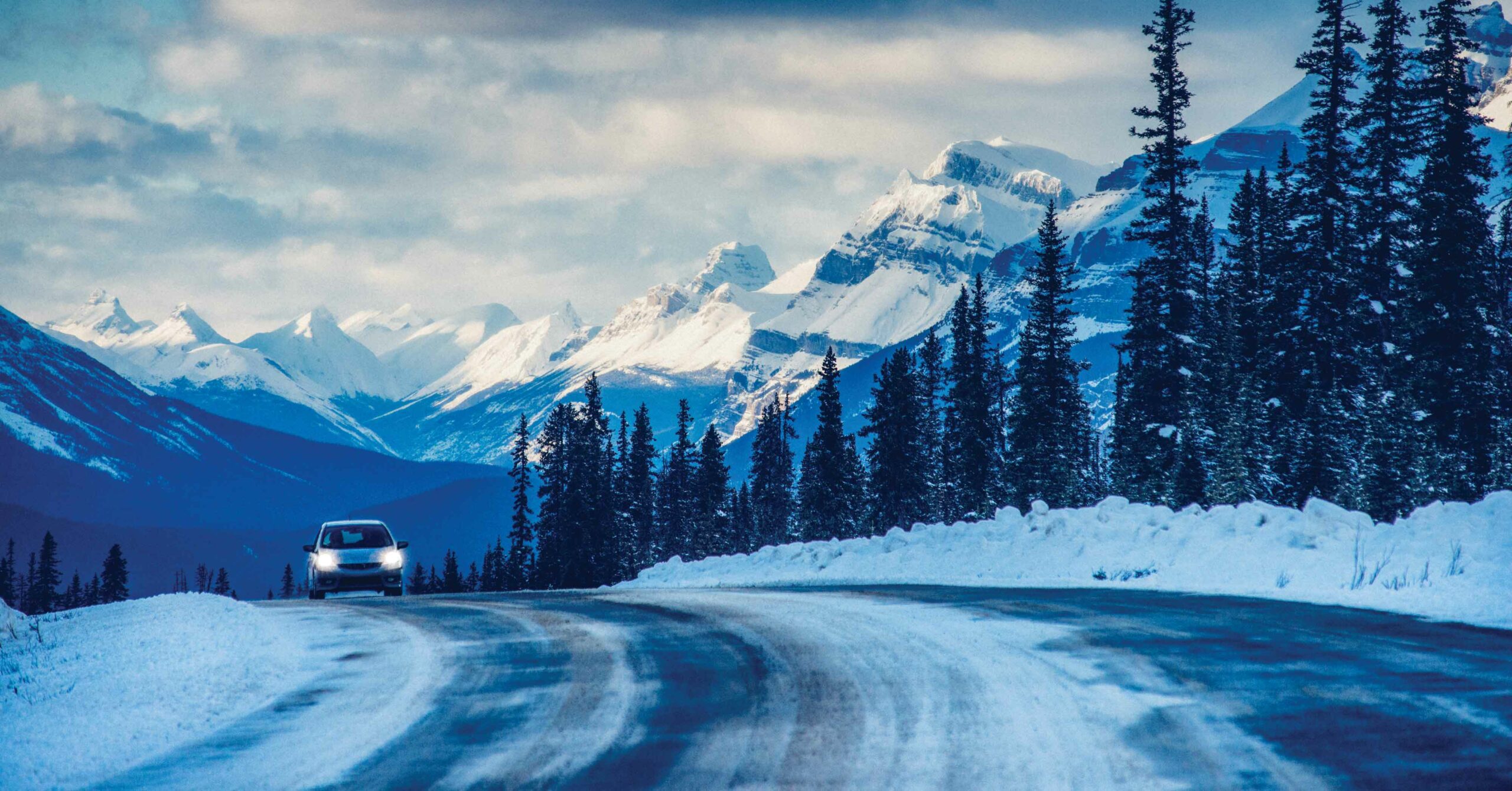
Make sure you are prepared for a winter road trip by filling your car with gas. If you get stuck behind an accident, or you get slowed down by changing weather, you don’t want to run out of gas (and heat!) while you take longer than expected to reach your destination. A full fuel tank also adds weight to the vehicle, which will help it stick to the road, and it reduces moisture in your fuel system, which can cause problems at sub-zero temperatures.
Driving Tip: Bridges have free flowing air above and below, and as such, they freeze faster than the rest of the road surface. They can be slippery, even if the rest of the road appears fine.
What to Bring
You’ll want to have a car safety kit on board during the winter months in case you get stuck out in the cold. Some important things to have in this safety kit include: a first aid kit, blankets, extra clothing and boots, emergency food like granola bars or nuts, flashlight with extra batteries, booster cables, a shovel, and something to give your tires grip on the ice such as sand or kitty litter. It can also help to have a fire extinguisher and a tow cable on board, just in case.
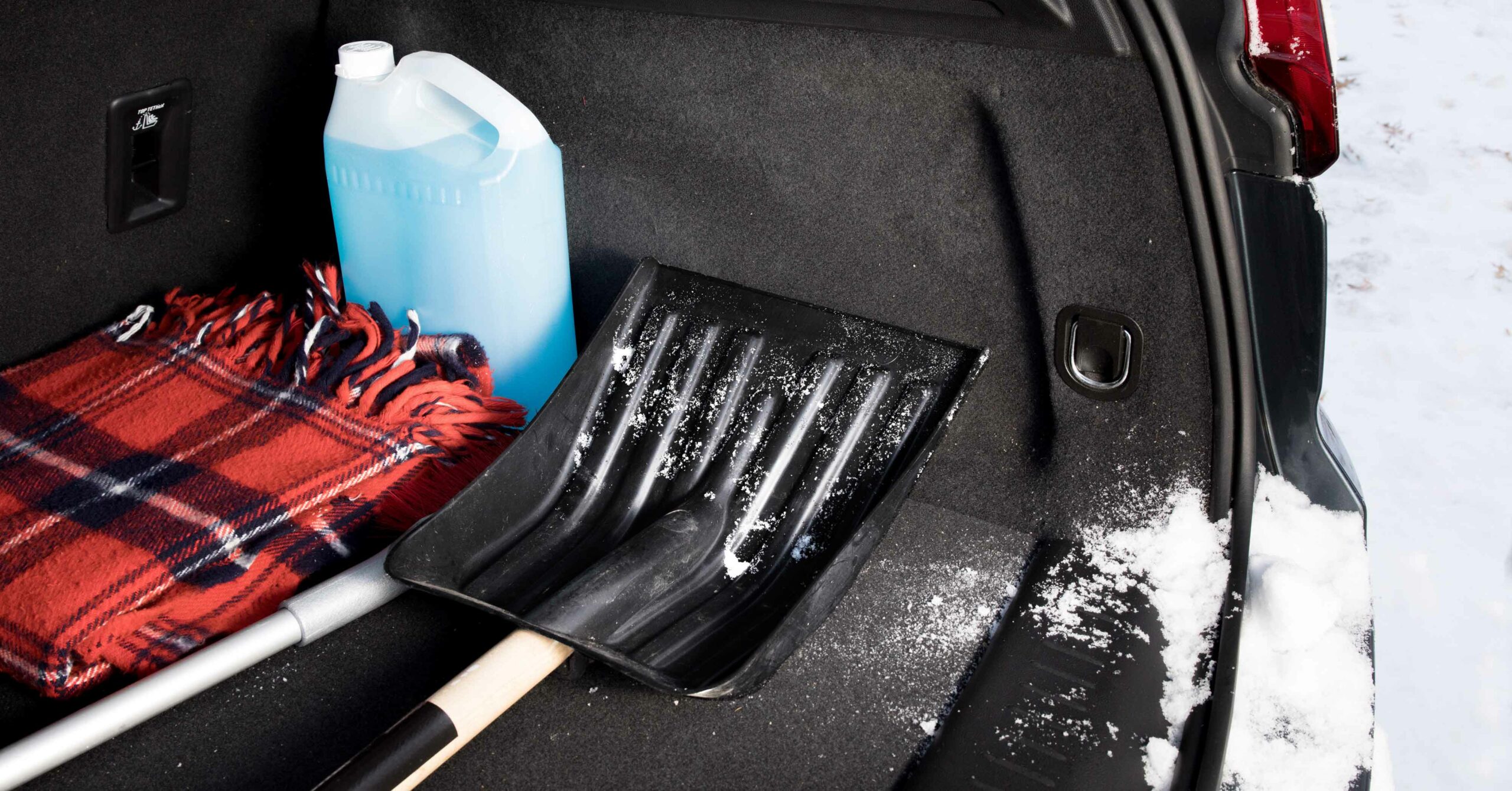
These items are there to help in case you get stuck on the road, or in case you slide off the road and get stuck in the ditch. Keeping yourself warm is paramount in these situations, while having tools on hand to get you un-stuck and heading in the right direction can make this situation a lot easier for everyone involved.
Driving Tip: Many mountain roads don’t have cell service, including the Icefields Parkway and most of Kananaskis. Let someone know when you expect to return. Consider bringing a satellite communication device.
Prepare Your Vehicle
Get your car ready for the elements by doing some basic care and maintenance beforehand. We strongly recommend winter tires. These tires are made of a softer rubber and they grip the road during colder temperatures and on snow and ice. Be mindful when renting cars that they have appropriate tires. In Canada, many people use “all season” tires in the summer, and winter tires during the winter. While all seasons are great, they do not provide the grip of a true winter tire when the temperatures drop.
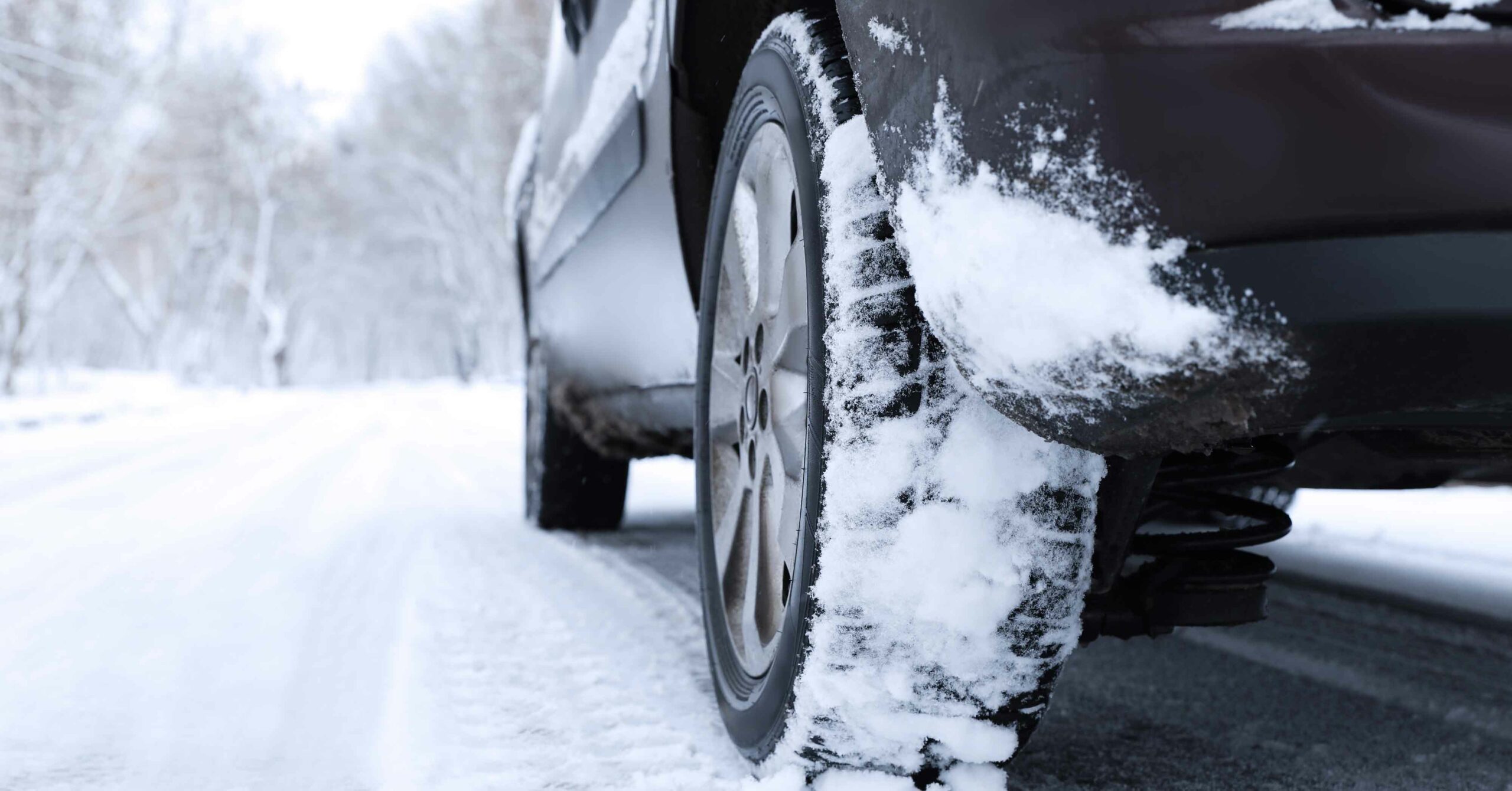
Top up your wiper fluid and have more on hand. When the sun starts beating down and the snow turns to slush on the roads, that slush will end up on your windshield, and it can be a pain to keep your sightlines clear.
Driving Tip: Wear appropriate eye protection. During the winter months, the sun stays at a low angle and reflects off the white snow, making it very bright at any time of day.
Before you head out, make sure to clear off all the snow and ice, including on the roof of your vehicle, the headlights and taillights, and the windows. This will help ensure you can see and be seen. Turn on your headlights so other drivers can see you.
If your car needs a tune up for winter driving, we recommend Mountain Men Mechanics in Banff, Canmore Lube & Muffler, Kal Tire in Hinton or Golden, and OK Tire in Cranbrook.
Driving Tip: Many roads in the mountains and throughout BC require winter tires or tire chains. Make sure you have the appropriate rubber on your vehicle.
Take Transit
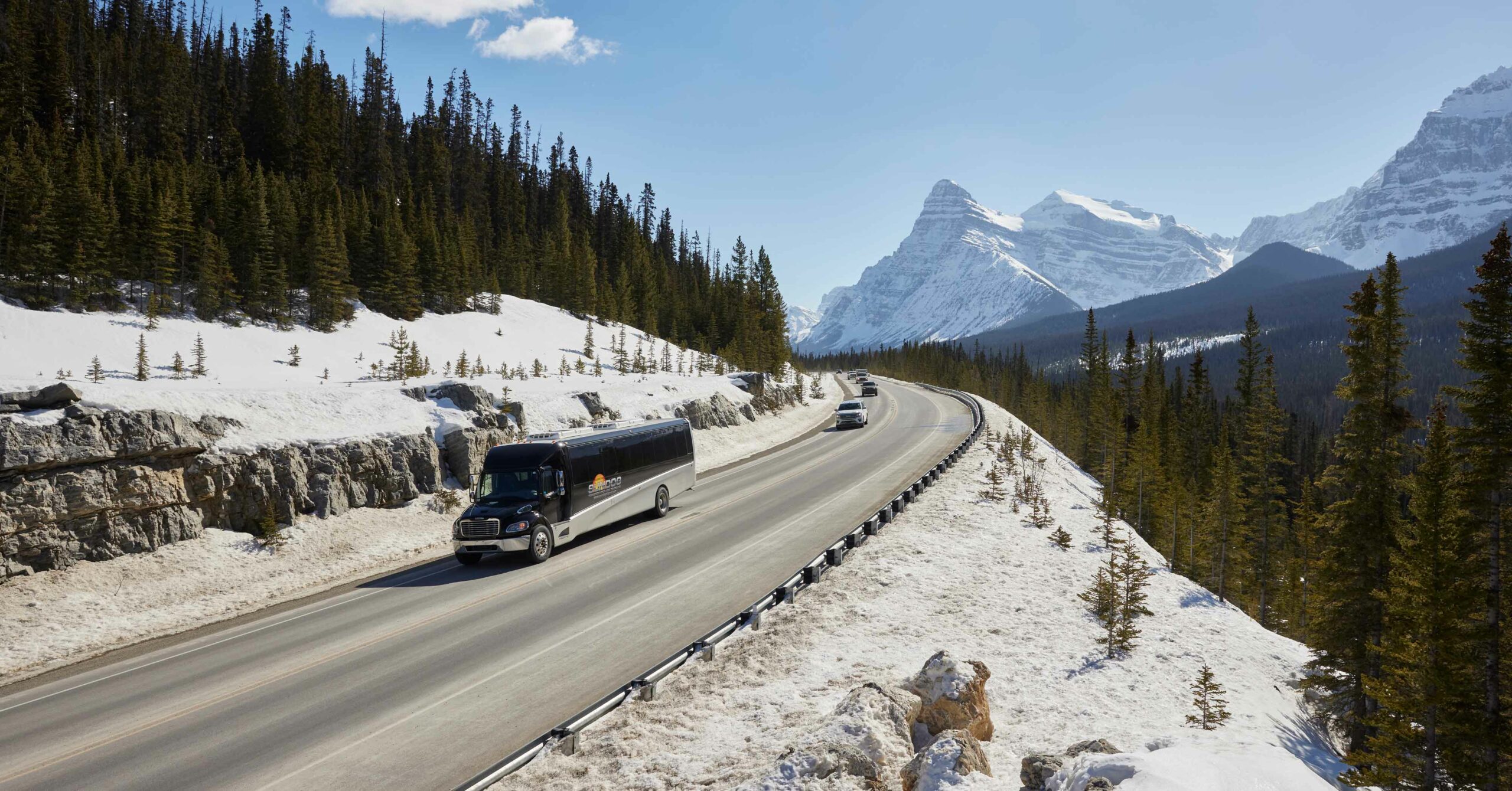
If the weather isn’t fantastic, why not leave driving to the pros? Calgary has a fantastic transit system for getting around the city, and you can get around Canmore, Banff, and Lake Louise with ROAM. Sundog Tours provides transportation between Calgary and Banff, as well as between Jasper and numerous areas such as Banff and Edmonton. Other shuttle services between the city and the mountains include Banff Airporter and Brewster Express.
Driving Tip: Snowplows can be difficult to spot from behind because of the blowing snow around them. They will let you pass when it is safe, but do not rush to get around if you cannot see or when they are spraying salt and sand.
Travel Alberta | Colin Way