





Witnessing Renewal: Learning from the Kenow Wildfire
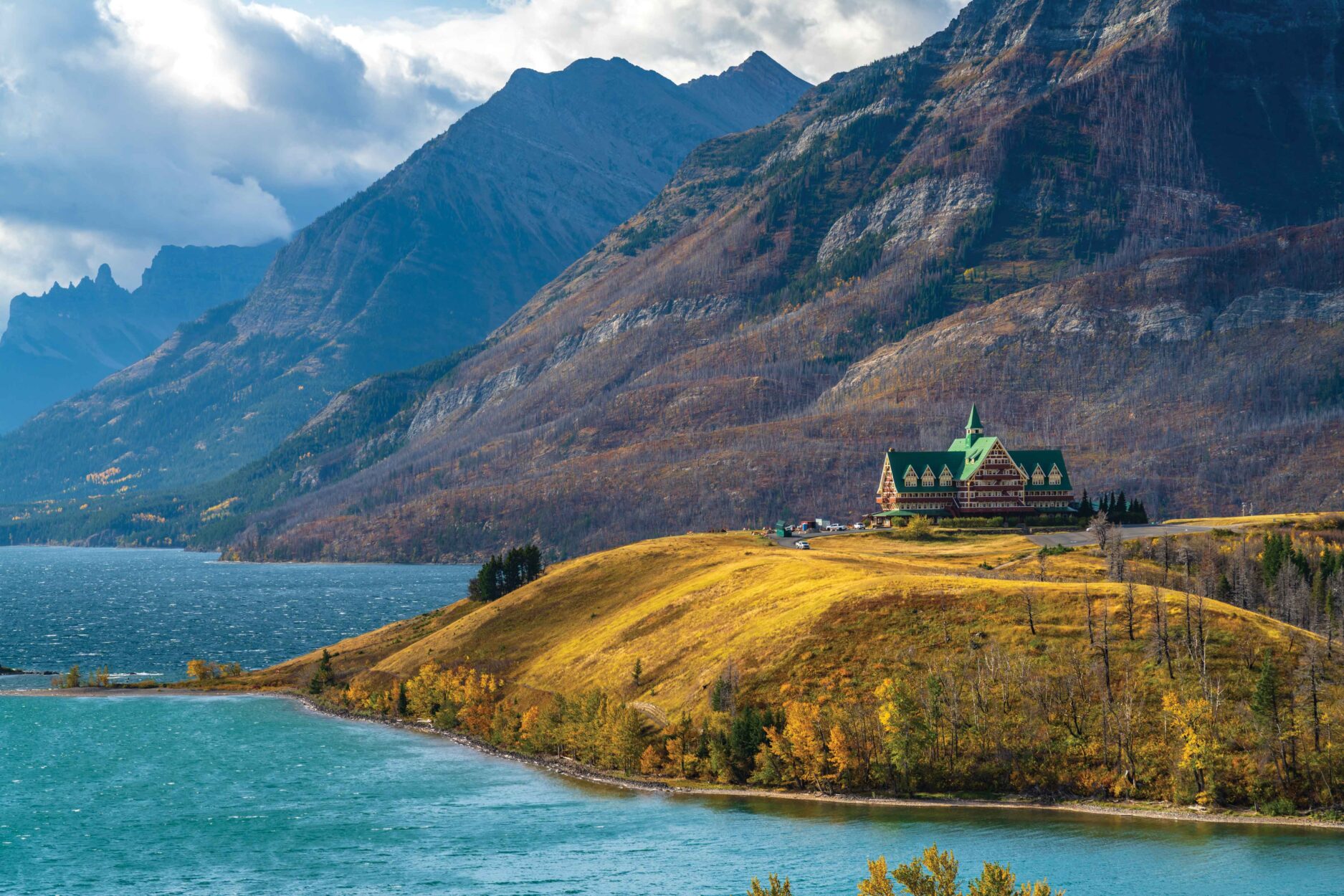


The September 2017 Kenow Wildfire left an indelible mark on the landscape of Waterton Lakes National Park. In the eight years since, visitors, residents, and park staff had the unique opportunity to witness an intense process of ecological renewal in areas impacted by fire.
The fire was of exceptional intensity and moved across the land at an unprecedented speed. It burned approximately 19,303 hectares within Waterton Lakes National Park boundaries over the course of approximately six hours. The intensity and uniform burning of large swaths of the landscape set this wildfire apart from others in Canada at the time. Extreme ecological changes took place in 44% of the national park’s vegetated area.
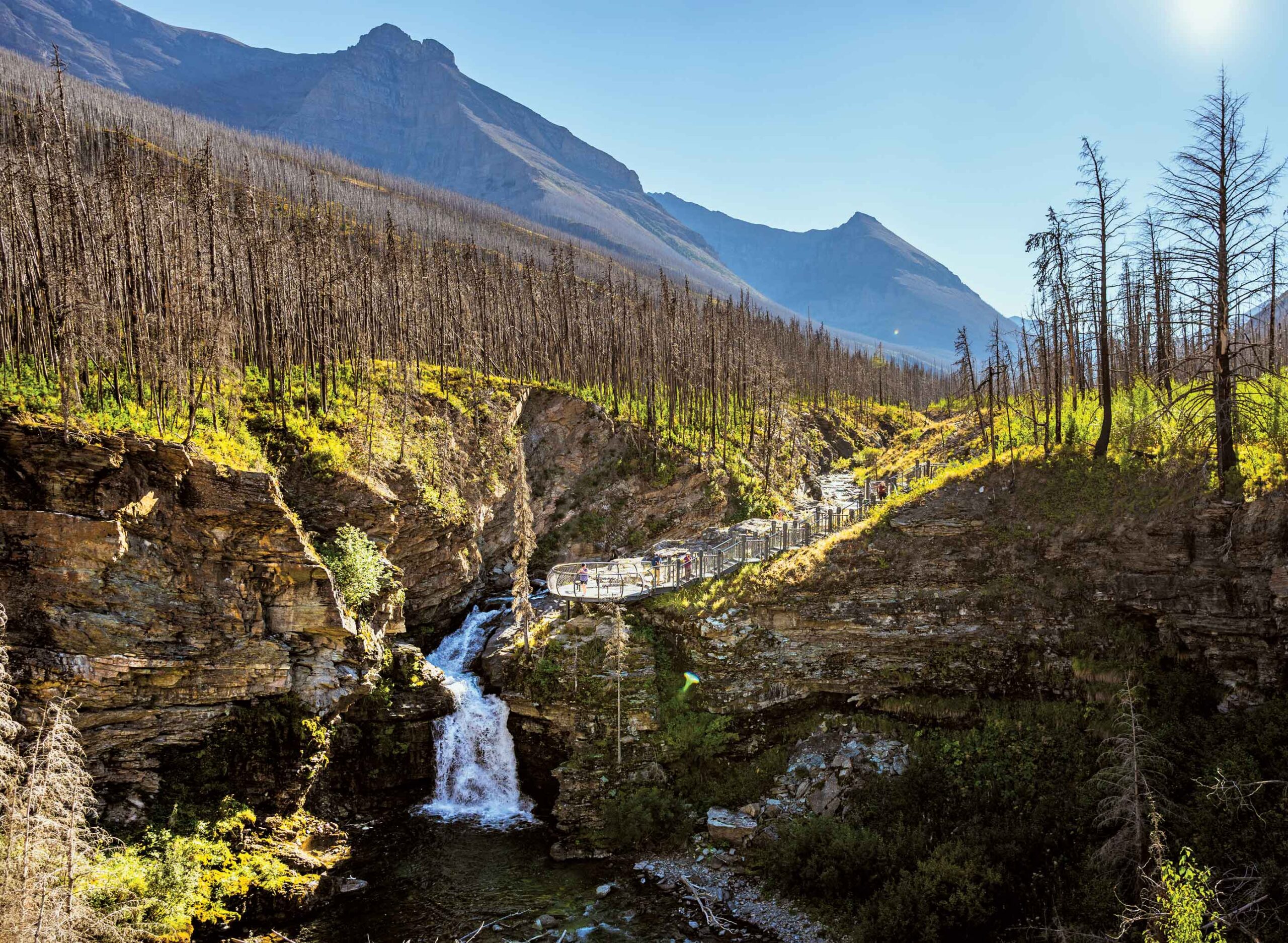
Photo by Travel Alberta / Sameer Ahmed
In the weeks and months following, Parks Canada staff recognized the importance of studying the fire’s impacts and how ecological renewal unfolds in current climate conditions. Over the past eight years, Waterton Lakes National Park staff have collaborated with 16 lead researchers from 13 institutions and organizations.
In all, 22 post-fire ecology learning initiatives have been launched. The projects cover a broad range of topics, and many are still ongoing.
Some projects are based on work conducted before the fire, so pre & post-fire comparisons are possible. Research topics include fungi, plant communities, amphibians, birds, water, carbon, archaeology, landscape, vegetation feedback due to snowpack change, and more.
This has been the largest collaborative, interdisciplinary post-wildfire scientific research project of its kind in Canadian history.
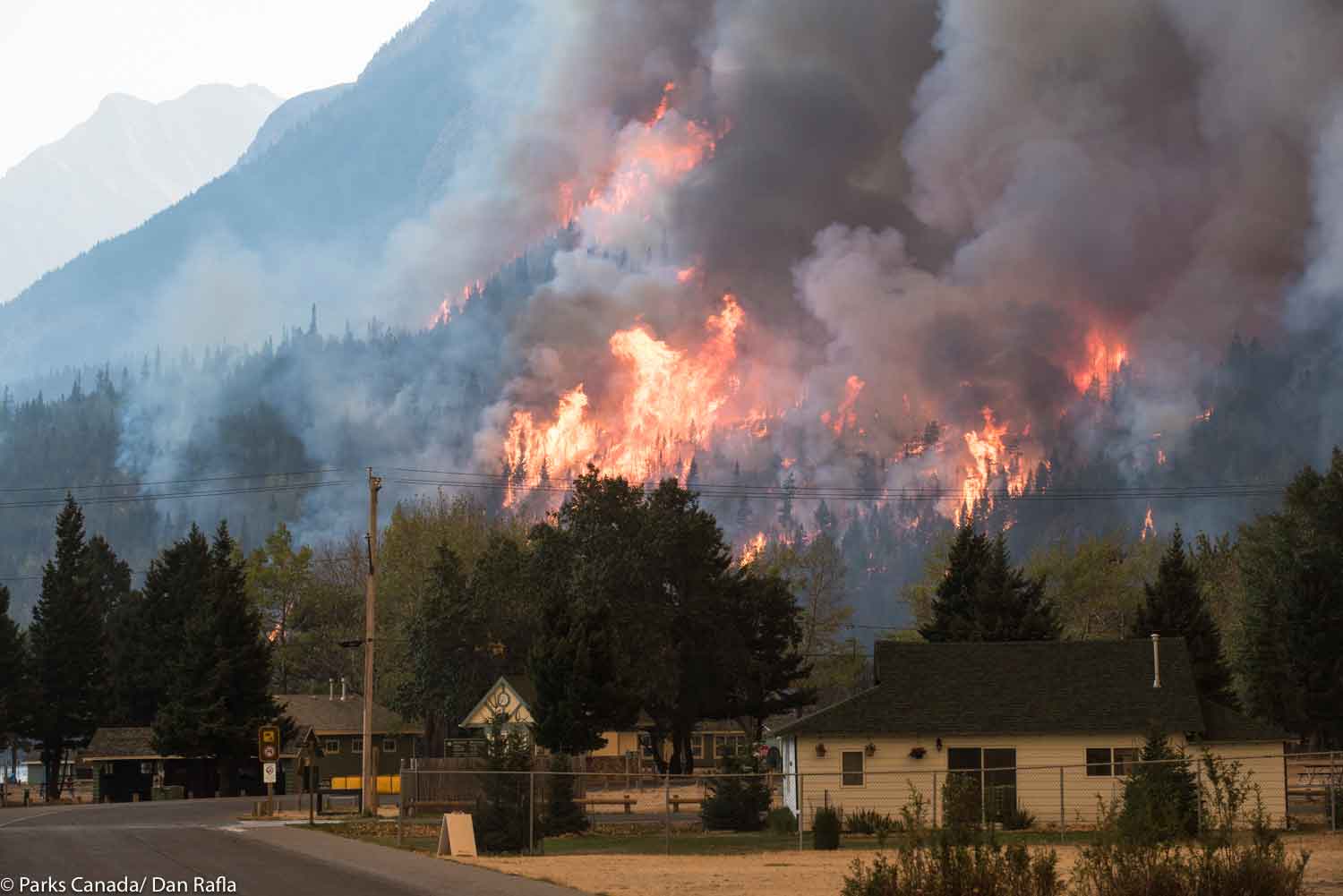
Image provided by Parks Canada
Many unexpected results have been observed—the fire had ecological effects not observed previously in other wildfire studies. For example, researchers observed proliferations of wildflowers species where they were not previously abundant. They also witnessed an amazing resourcefulness of small animal species to avoid fire, and an emerging awareness around the importance of embracing ecosystem renewal as a form of climate adaptation.
Researchers have also reported on nature’s resiliency and its ability to adapt as a recurring theme across projects, and incredible stories of resilience and adaptation to extreme change began to emerge.
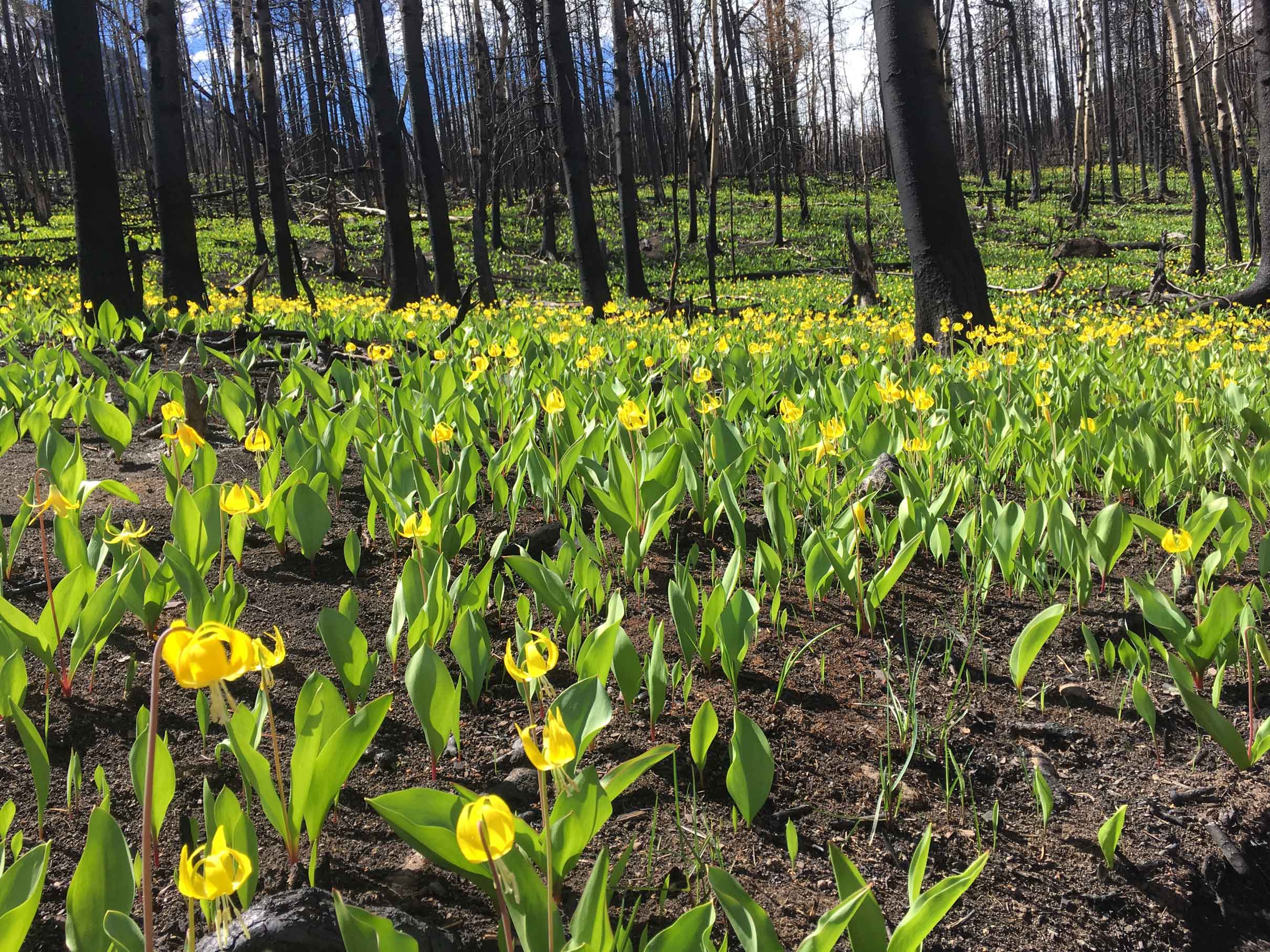
Photo provided by Parks Canada
By summer 2025, forest rejuvenation is now more visible than ever in some of the wildfire-affected areas. New lodgepole pine and trembling aspen trees are now reaching several feet in height amidst many burned forest areas. These species have unique characteristics which enable them to adapt readily—even to an extreme intensity wildfire.
However, in other areas there is very little to no tree regrowth. These are often areas where the forest, pre-fire, was dominated by fir and/or spruce trees that are not as adaptable to the effects of an extreme wildfire. The current warmer, drier climate is also affecting the ability of trees to regrow following a disturbance such as extreme wiidfire. Parks Canada is partnering with researchers to better understand factors causing forest growth variation.
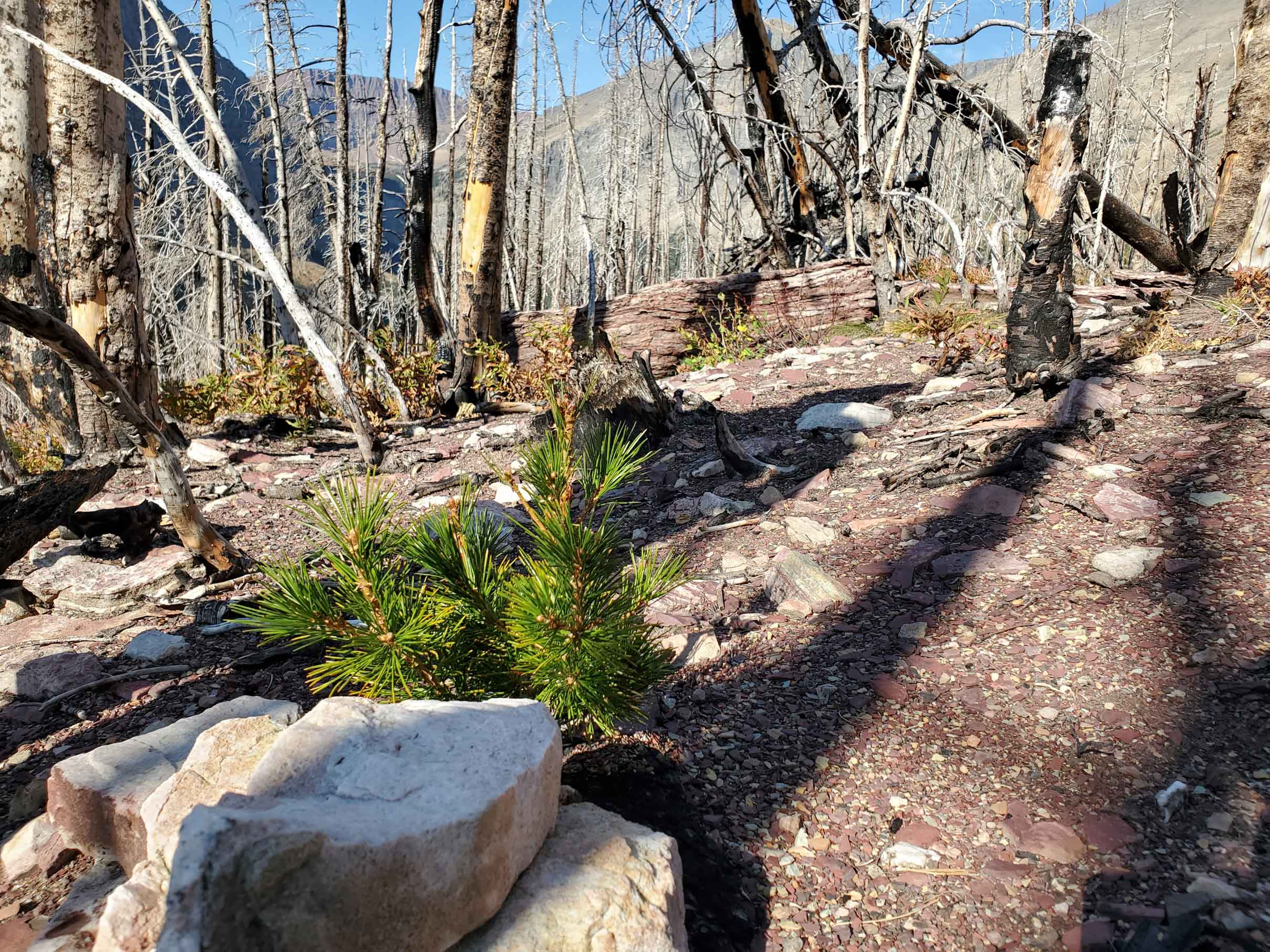
Photo provided by Parks Canada
The goal of the post-Kenow wildfire research program has been to observe and understand how all aspects of the Waterton Lakes National Park ecosystem are affected by extreme wildfire and how they respond within current climate conditions. While there is an increasing fire intensity and frequency taking place in western Canada and other locations throughout the world, there are knowledges and lessons learned through the post-Kenow wildfire research program that can inform other mountain parks and jurisdictions on nature’s responses to extreme wildfire affected by a changing climate.
For more information on the Kenow Wildfire including comparison photographs and blog posts visit: parks.canada.ca/pn-np/ab/waterton/nature/environment/feu-fire/feu-fire-kenow.