





Welcome to Waterton: please wipe your feet before you come in
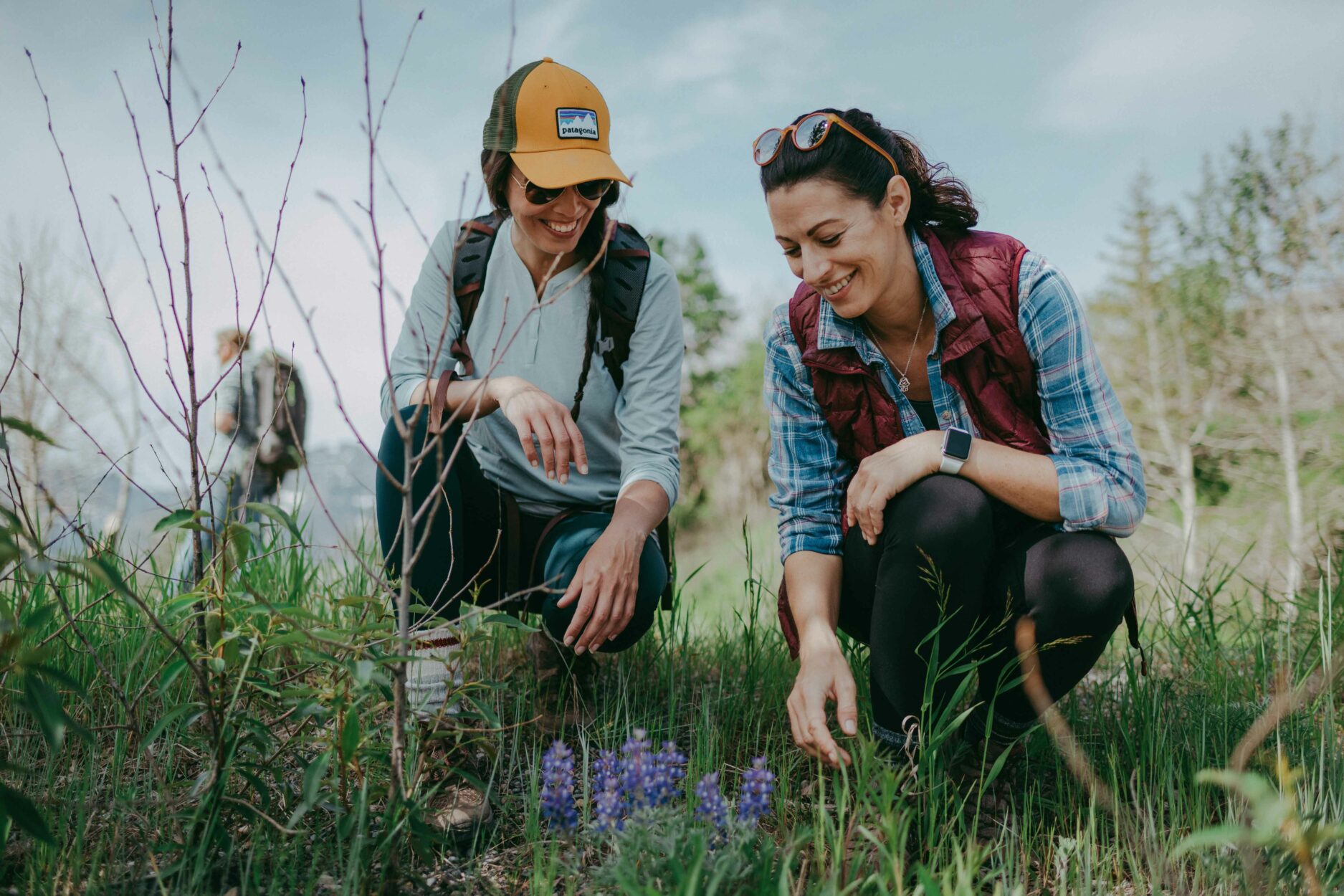
Travel Alberta | Celestine Aerden


If you visit Waterton in June, you’ll see seams of soft pink, vivid purple, and sunshine yellow that knit the horizons together. Come in the fall, and you’ll see that shrub leaves have taken on golden, orange, and flame-red hues. Here, where the prairies meet the Rocky Mountains, more than one thousand plant species make up the colourful carpet underfoot.
These plants have evolved together to support all kinds of life: from massive grizzly bears and bison, to humans, tiny songbirds, and insects too. This balance is beautiful but it’s delicate, and invasive species threaten to disrupt it.
Take cheatgrass as an example. The short grass was introduced to the area from Europe over a century ago, but once given the opportunity to take root, it spread like wildfire.
Cheatgrass has an advantage over its native competitors at nearly every stage of its growth. In the spring, it’s among the first plants to emerge from the snow. By June, it will have already produced spiky seeds that cling to the fur of animals and the clothing of hikers, whose movements help the plant spread even further afield. Soon after, its stems dry and die, leaving patches of highly flammable material. And once a fire does roll through, clearing the landscape of plants, cheatgrass is among the first to grow back, taking away space and resources from the species that have shaped this land.
In 2017, the Kenow Wildfire tore through Waterton Lakes National Park and the surrounding lands, burning an area nearly half the size of Calgary. The plants here evolved with fire. For thousands of years, natural and human-lit flames have lapped their way across these grasslands. While immediately devastating, these disturbances have repeatedly replenished the soil with nutrients that fuel future growth. But Kenow was different: it was hotter, larger, and more intense than others.
The fire scorched the land down to its mineral soil, “leaving it wide open for invasives,” says Rob Scissons, a Parks Canada restoration and vegetation ecologist. “[Cheatgrass] popped up everywhere,” says Rod Watt, a Parks Canada vegetation management technician.
“These invasive species have no boundaries,” explains Watt. Seeds hitch rides on gusts of wind, passing animals and inattentive humans, then attempt to germinate wherever they fall; they don’t just suddenly stop at park borders or property lines. This is in part why invasive species are globally recognized as the second greatest threat to biodiversity, the breadth of plant and animal life that gives our world such brilliant vitality—those same pinks, purples and yellows that paint the prairie landscape in the springtime.
To protect this variety of life, as well as the animals, jobs, lives, and cultures that depend on it, Parks Canada, ranchers, First Nations, local communities, and nature conservation organizations have united to push back against invasive species encroachment in the area. Together, the South West Invasive Managers (SWIM) are pulling, smothering, grazing, and replacing invasive species that threaten the ecology they love.
“At the end of the day, we all want the same thing, because our livelihoods rely on a healthy and intact ecosystem,” says Ayla Peacock, the Nature Conservancy of Canada’s (NCC’s) invasive species program coordinator for Alberta.
From Parks Canada’s point of view, an invasive species like cheatgrass displaces native species and adds to fire fuel loads; to a rancher, the grass is an unappetizing plant that is of no use to rearing cattle. No matter how their priorities differ, says local environmental consultant Kelly Cooley, “we have to try, wherever possible, to harmonize our efforts.”
As part of SWIM, Peacock has worked with ranchers to deploy tiny beetles that attack the root systems of invasive leafy spurge, while goats munch on the plant’s stems and leaves. On the other side of the property line, Watt and his colleagues scorch cheatgrass seeds before they have a chance to spread, and smother hawkweed with giant tarps. Together, neighbours are looking out for each other.
SWIM also relies on the buy-in of well-meaning community members. “I’m convinced there’s nothing our volunteers won’t do,” says Lindsey Davidson, NCC’s natural area manager for the Waterton Park Front. SWIM partners routinely rally legions of volunteers to hike into canyons, only to emerge hauling trash bags full of invasive burdock they pulled from the soil. (Burdock’s clingy seeds served as inspiration for the invention of Velcro.) “It’s really inspiring to see,” says Davidson.
Invasives are opportunists. Many have seeds that wedge themselves between the treads of vehicle tires and footwear, only to shake themselves loose, far from where they first hitched a ride. That’s one of the reasons Waterton Lakes National Park was the first Parks Canada site to formally implement the PlayCleanGo program, in 2018.
PlayCleanGo aims to educate people about invasives and “stop invasive species in your tracks.” After all, the best way to combat the spread of invasive species is to prevent it from happening in the first place. That’s why hikers should clean their footwear on the boot brushes installed at trailheads in the park, before and after their treks, to dislodge any seeds before they have a chance to spread along the trail. Travellers should wash their vehicles to avoid unwanted hitchhikers. Everyone can report invasive species sightings through apps like EddMapS and iNaturalist. These are all simpler and far cheaper solutions to invasive species spread than beetle brigades and volunteer weed pulls.
Why spend so much effort keeping invasive plants at bay? “Because it’s the right thing to do,” says Watt. For him and many others, tackling invasives in southwestern Alberta also means keeping his home safe and tidy. Watt grew up in the park; Cooley has lived in the area for nearly 50 years, and local First Nations have lived on and cared for the land since time immemorial; these grasslands are their home. And just like a home, Cooley says, visitors are invited to appreciate, respect and enjoy it, but they can also help keep it safe and tidy, too.
“You’re absolutely welcome,” says Cooley, “but please wipe your feet before you come in.”