




Botanical Milestones
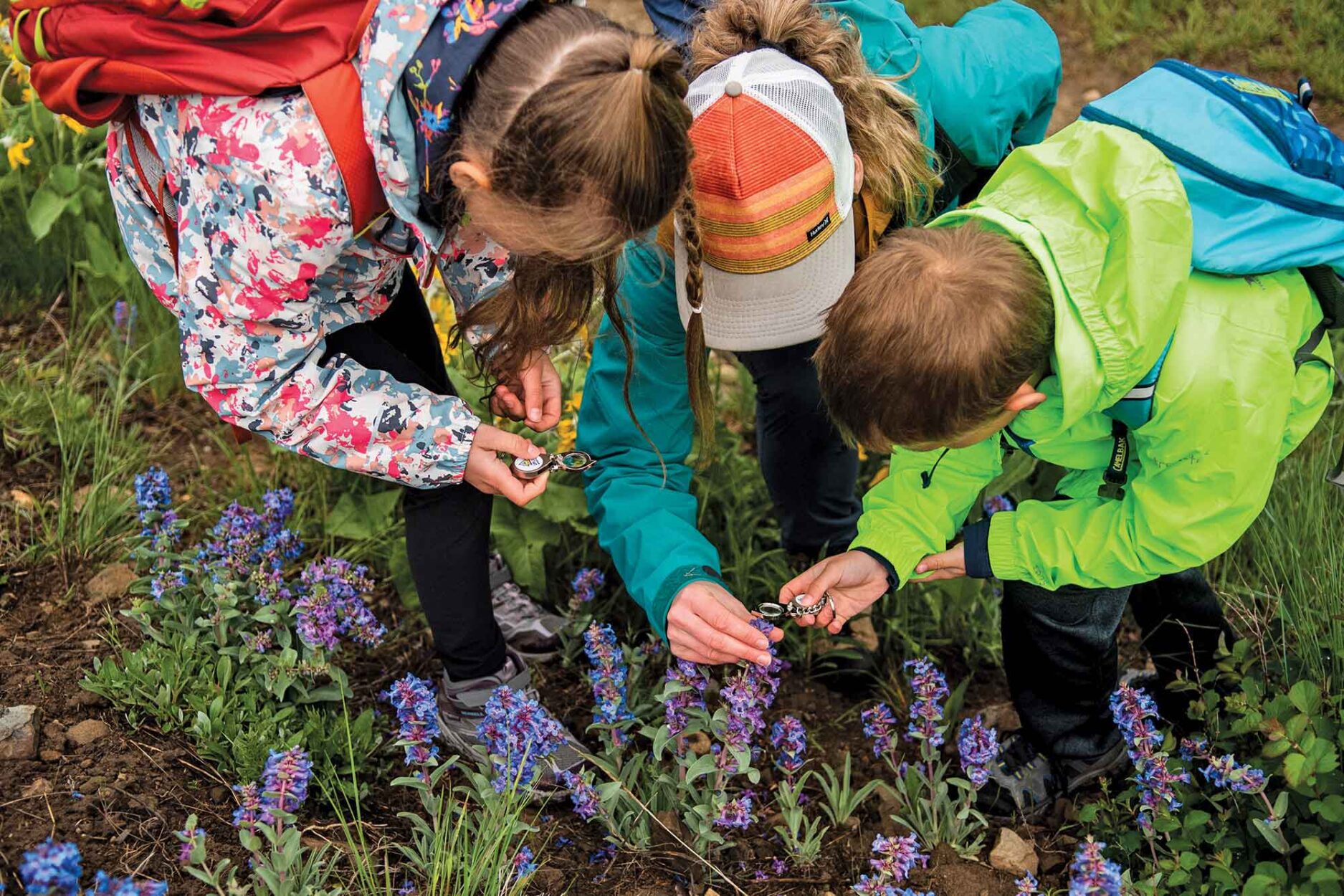
Photo provided by Heather Davis, Owner & Lead Guide / Scientist with Waterton Tours, Uplift Adventures


As I rise from a sun-warmed rock near the trailhead of Crypt Lake, I notice a delicate bloom I nearly crushed beneath my boot. I hadn’t seen it while sitting, but now it holds my full attention: Aphyllon purpureum. Only three species of Aphyllon grow in Alberta, and here, quietly rooted in the soil, is one of them.
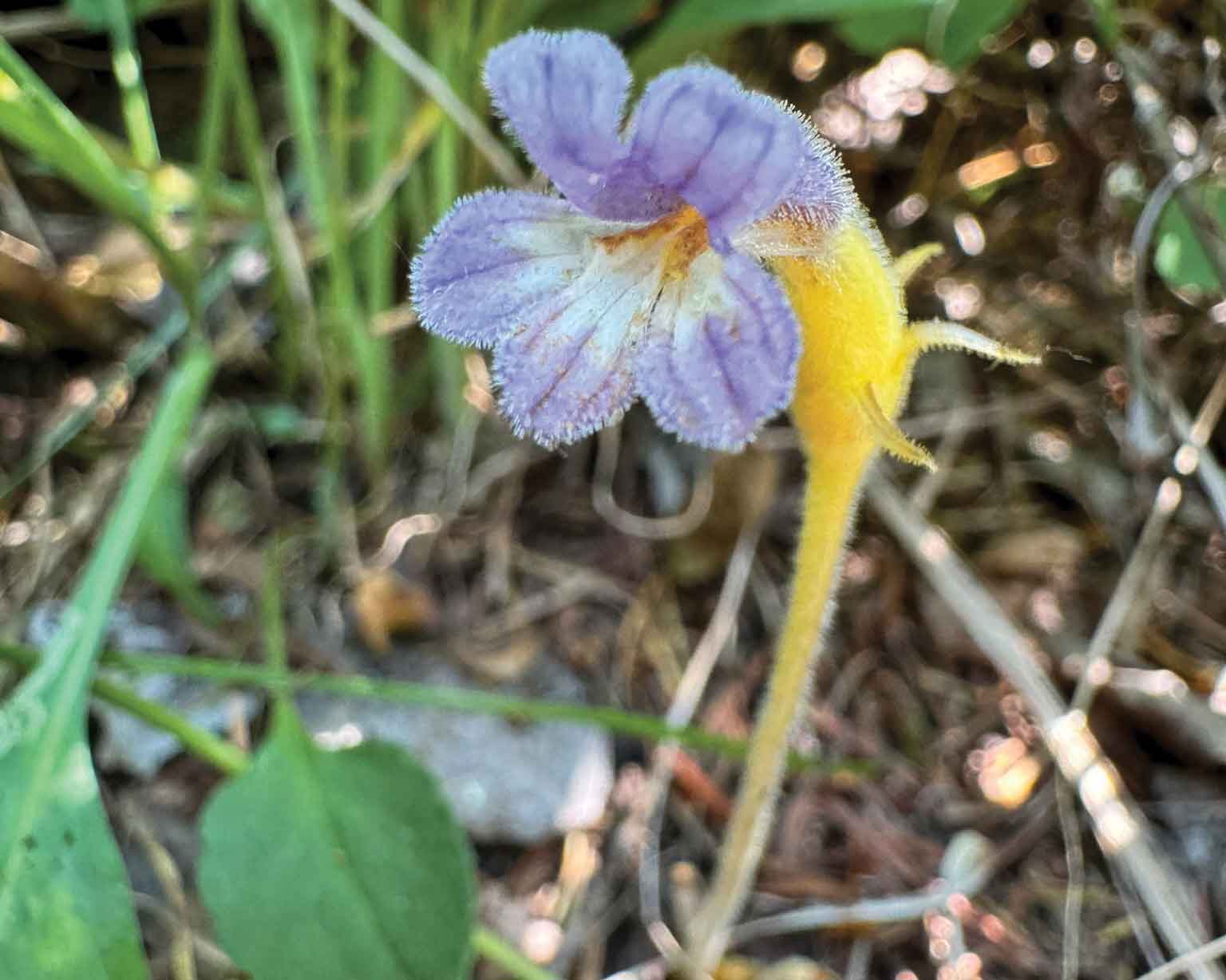
Aphyllon purpureum. Photo by Heather Davies
The first clue to its identity is what it lacks. No leaves. No chlorophyll-rich blades reaching for the sun. This is a parasitic plant. While most plants rely on photosynthesis, species of Aphyllon form specialized root connections to a host plant, drawing water and nutrients directly from its vascular system. Across Waterton Lakes National Park, other parasitic marvels thrive as well, including members of the genus Monotropa, better known as the supernatural-looking ghost plant and the pinesap.
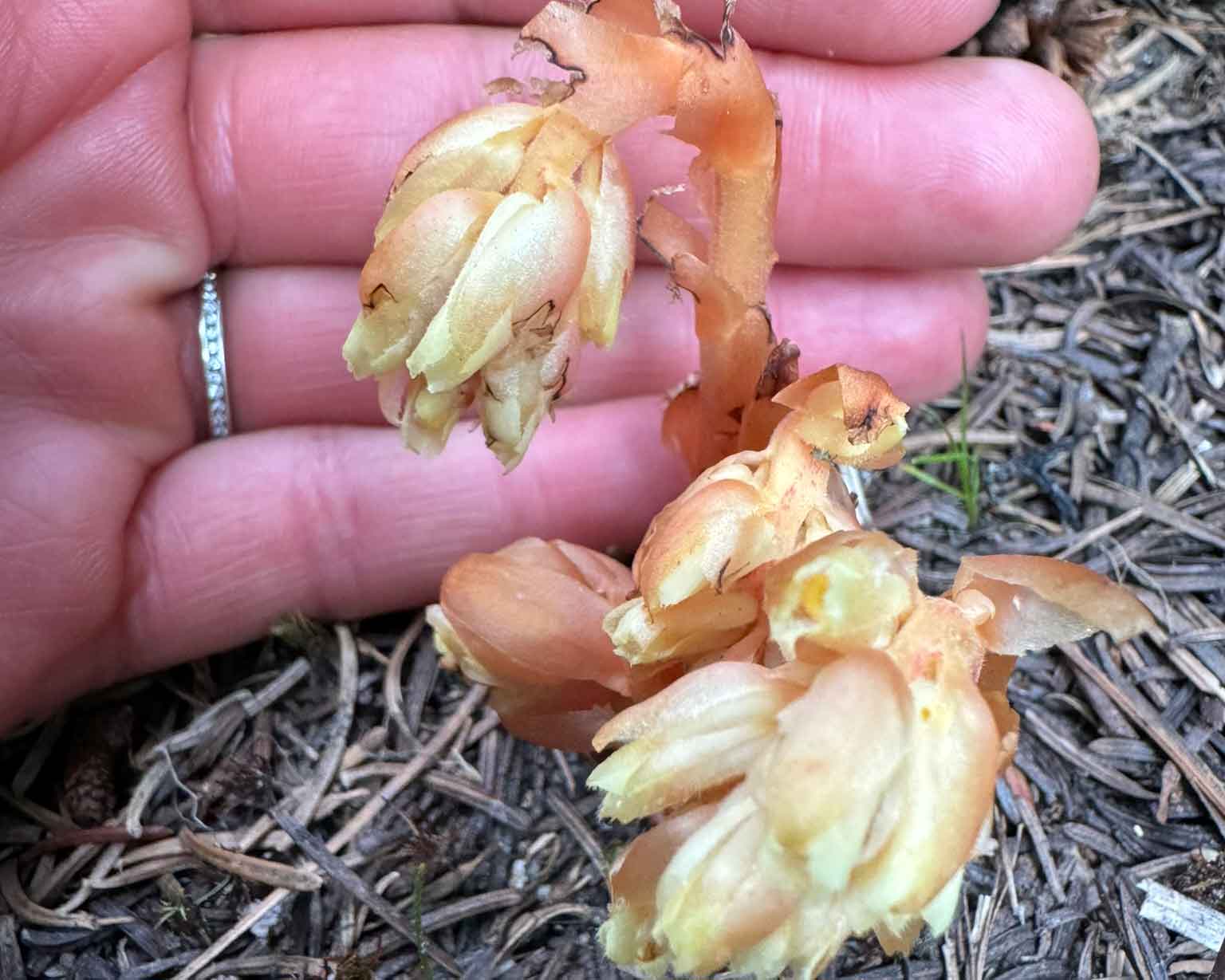
Pinesap. Photo by Heather Davis
When I was collecting field data for my Master of Science, my teammates and I would celebrate each exciting discovery as a “botanical milestone.” In many places, such moments are rare. In Waterton, they are astonishingly common.
A Botanical Hotspot
Waterton contains more than 50 percent of Alberta’s vascular plant diversity within a remarkably small geographic area. Several rare species reach the edges of their ranges here. How can such extraordinary biodiversity exist in one compact corner of the province?
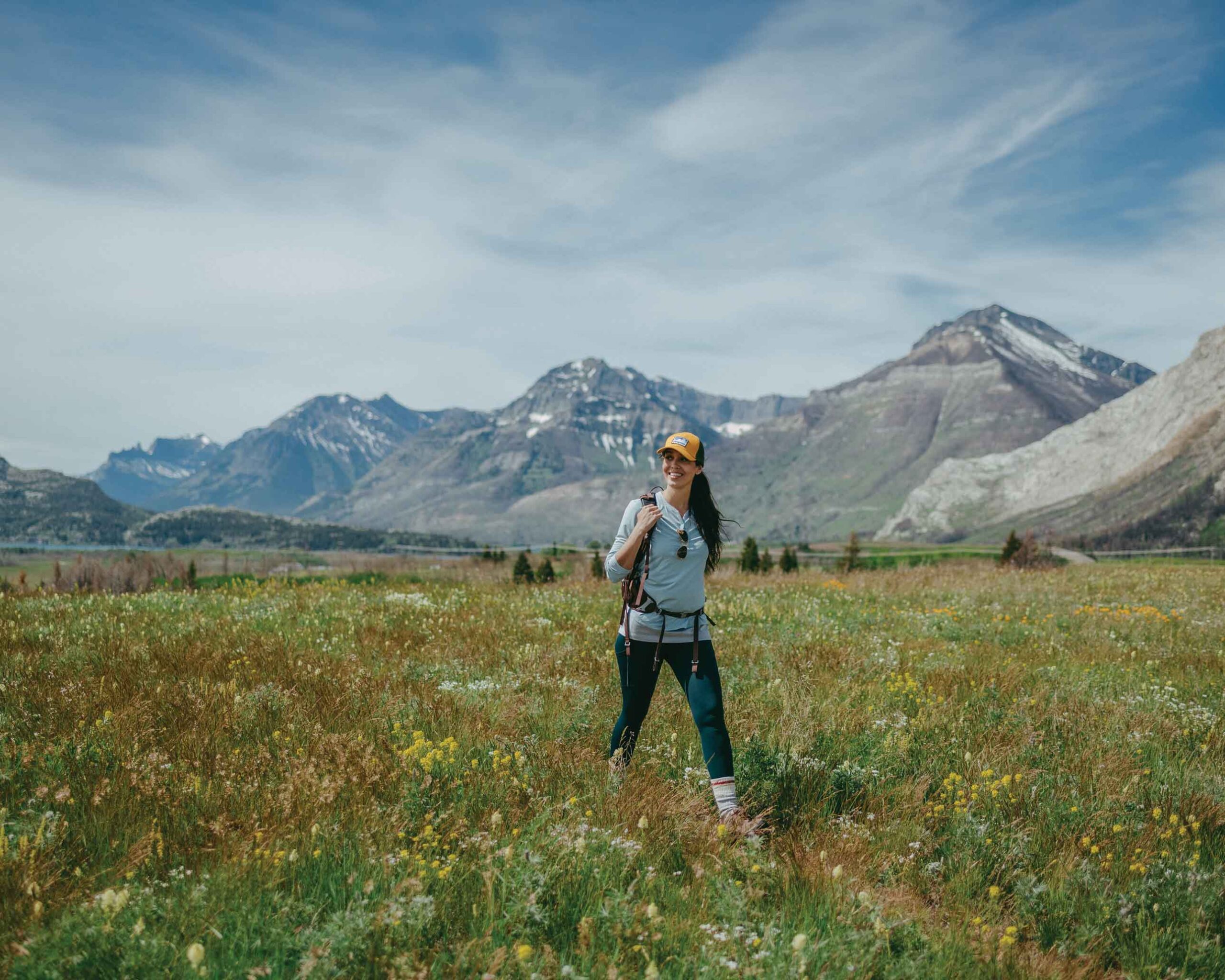
Travel Alberta | Célestine Aerden @celestineaerden
The answer lies in the very reason Waterton forms part of the Waterton-Glacier International Peace Park, a designated UNESCO World Heritage Site. UNESCO cites the reason for designation as “distinctive climate, physiographic setting, mountain-prairie interface, and tri-ocean hydrographic divide.” It may sound technical, but each of these elements plays a profound ecological role.
Distinctive Climate
Many visitors equate Waterton’s climate with its legendary winds, and they are not wrong. Moist Pacific air masses collide with dry Arctic air, producing gusts that can exceed 150 km/h. Add orographic lifting – where air masses rise over mountain barriers, cool, condense, and release precipitation before descending as warm, dry winds – and this is a recipe for powerful chinooks along the eastern slopes of the Canadian Rockies.
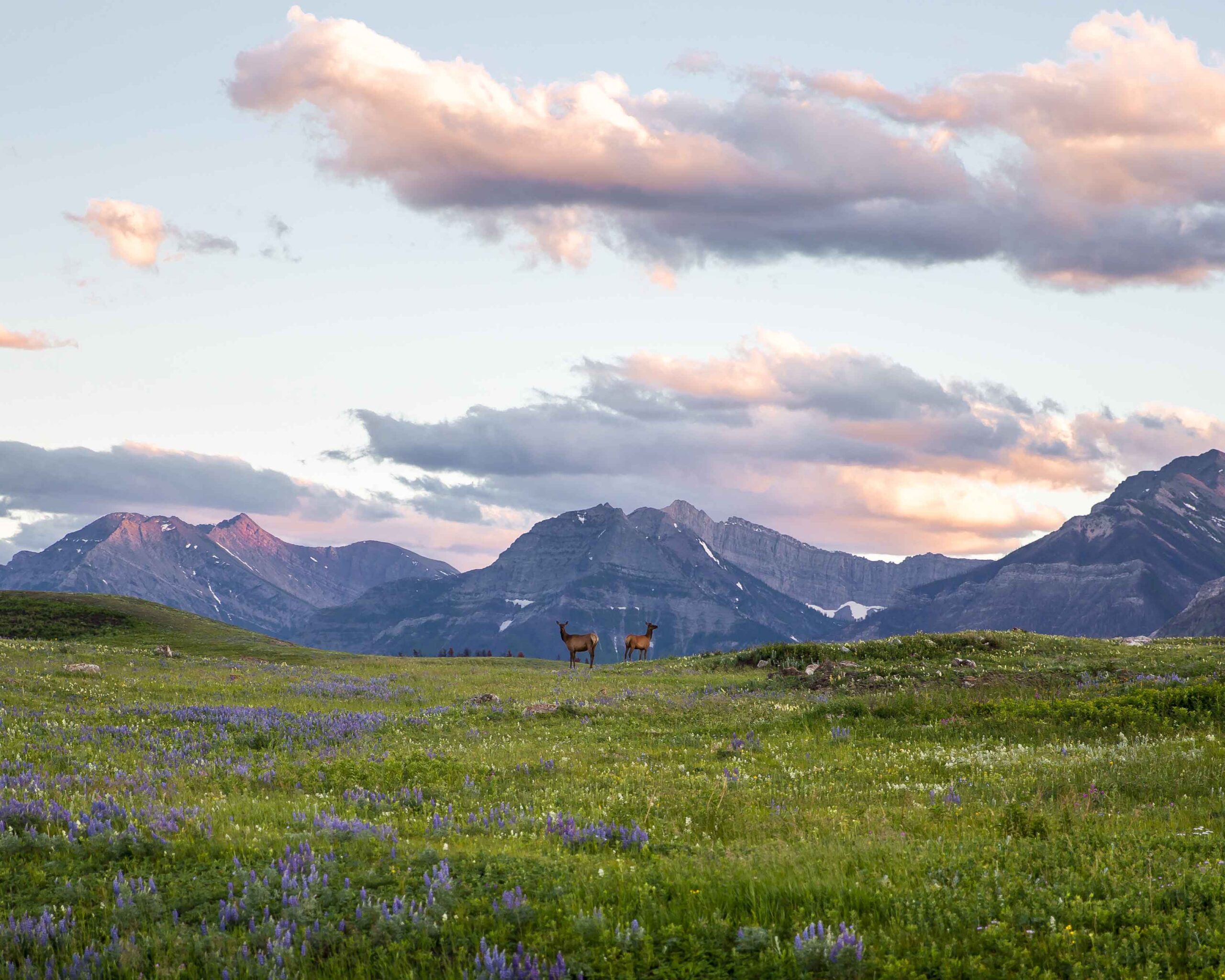
The climate in Waterton creates mosaic of habitats and microhabitats. Photo by Travel Alberta | Katie Goldie @goldiekatie_
Look skyward on a windy day and you may see lenticular clouds aligned in smooth, luminous rows and what locals call chinook arches. These atmospheric processes are not merely dramatic; they shape plant life. Precipitation varies dramatically across the park. The western valleys can receive up to three times more moisture than the eastern grasslands. This steep climatic gradient creates a mosaic of habitats and microhabitats, each supporting its own specialized flora.
Physiographic Setting
Waterton shares three primary ecoregions with its northern neighbours, Banff and Jasper National Parks: alpine, subalpine, and montane. These ecoregions are structured by elevation, geology, vegetation, and wildlife communities. Only certain species can withstand the desiccating winds of the alpine, while others flourish in subalpine forests, montane wetlands, sun-exposed south-facing slopes, or the cool shadow of cliffs.
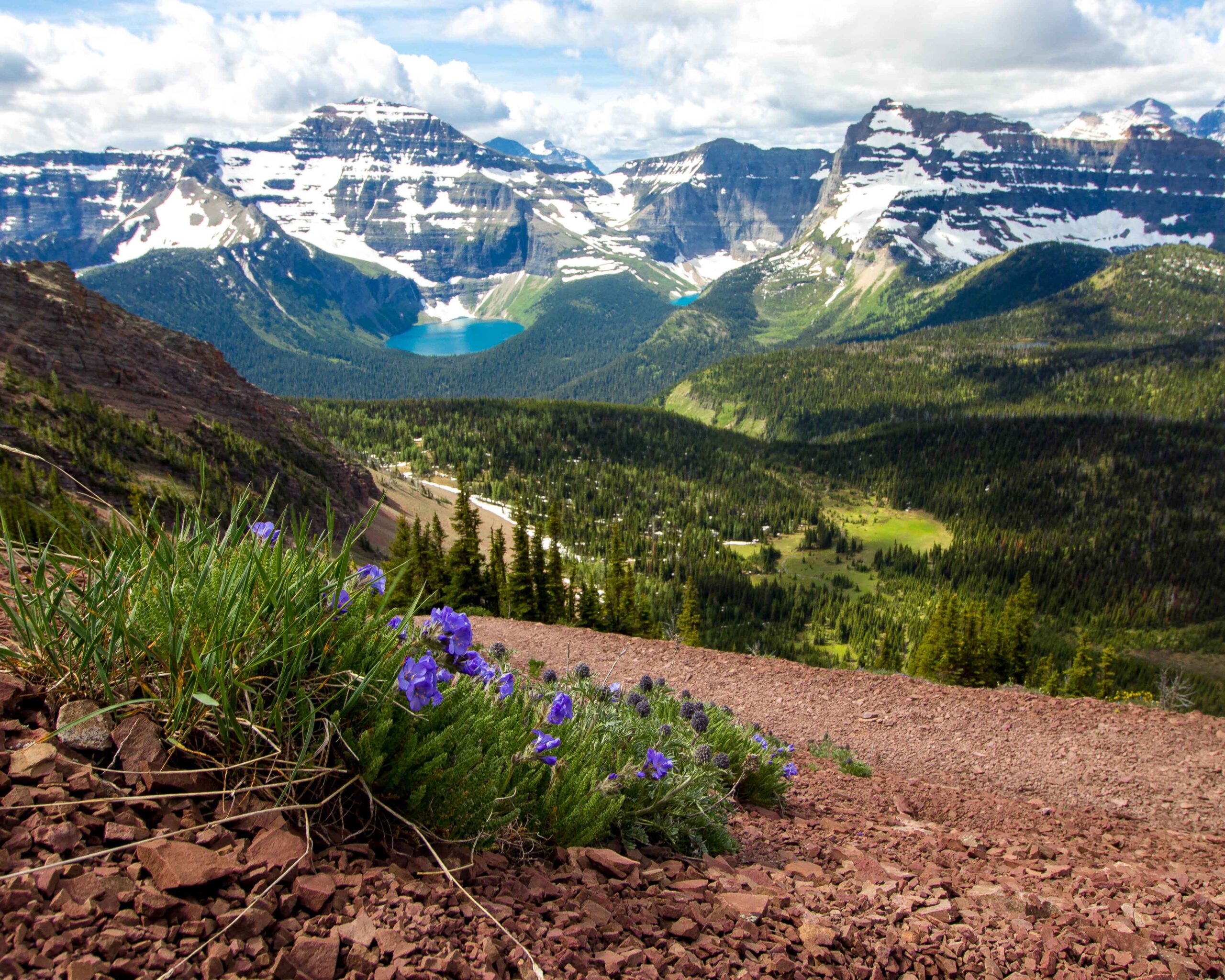
Waterton’s distinct ecoregions amplify it’s diversity. Photo by Travel Alberta | Katie Goldie @goldiekatie_
Yet Waterton’s diversity is amplified by its glacial history. Positioned along the southern margin of the last continental ice sheet, it became a meeting ground for species migrating northward after glacial retreat. Many plants that are common south of the 49th parallel reach their northernmost range here. Waterton is not only a centre of mountain diversification, it is a biological crossroads.
Mountain-Prairie Interface
Unlike Banff and Jasper, Waterton also includes a fourth ecoregion: the foothills parkland. This mountain-prairie interface is often described as “where the mountains meet the prairies” and marks the easternmost extension of native grasslands into the park.
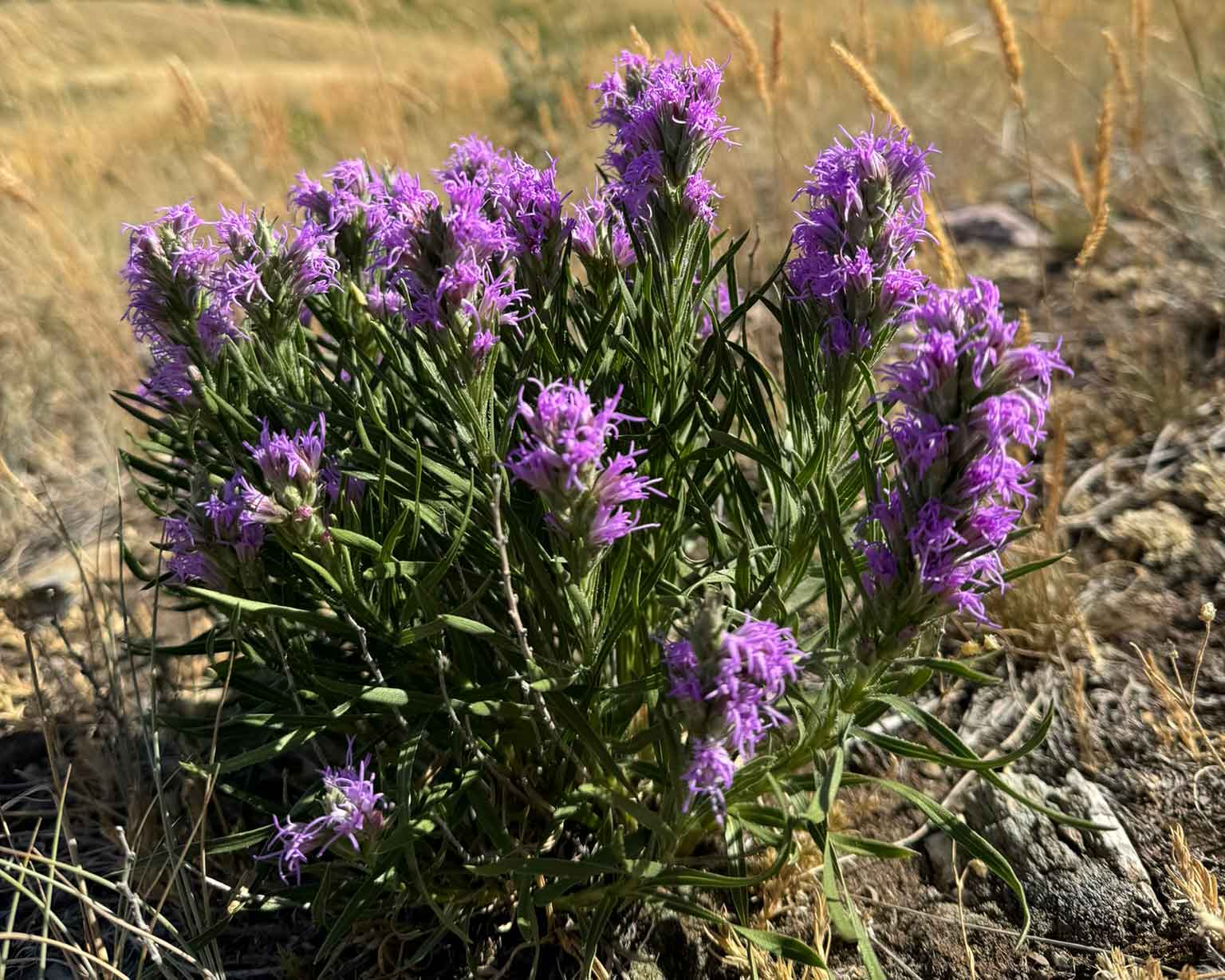
Blazing Star. Photo by Heather Davis
While the peaks draw the eye, the grasslands captivate those who linger. Here you may encounter blazing star rising in violet spires, bulb-bearing water hemlock thriving in moist depressions, and even the charismatic Mormon cricket (not a plant, but very cool). The prairie ecosystem harbours species found nowhere else in the mountain parks.
Tri-Ocean Hydrographic Divide
Waterton-Glacier’s final UNESCO distinction is its tri-ocean hydrographic divide. Waters originating in these headwaters ultimately flow toward three different oceans, an extraordinary hydrological phenomenon. The Continental Divide forms the park’s western boundary along the Alberta–British Columbia (BC) border. At Cameron Lake, you stand in the extreme southwest corner of Alberta, with BC just beyond the ridge and Montana at the headwall.
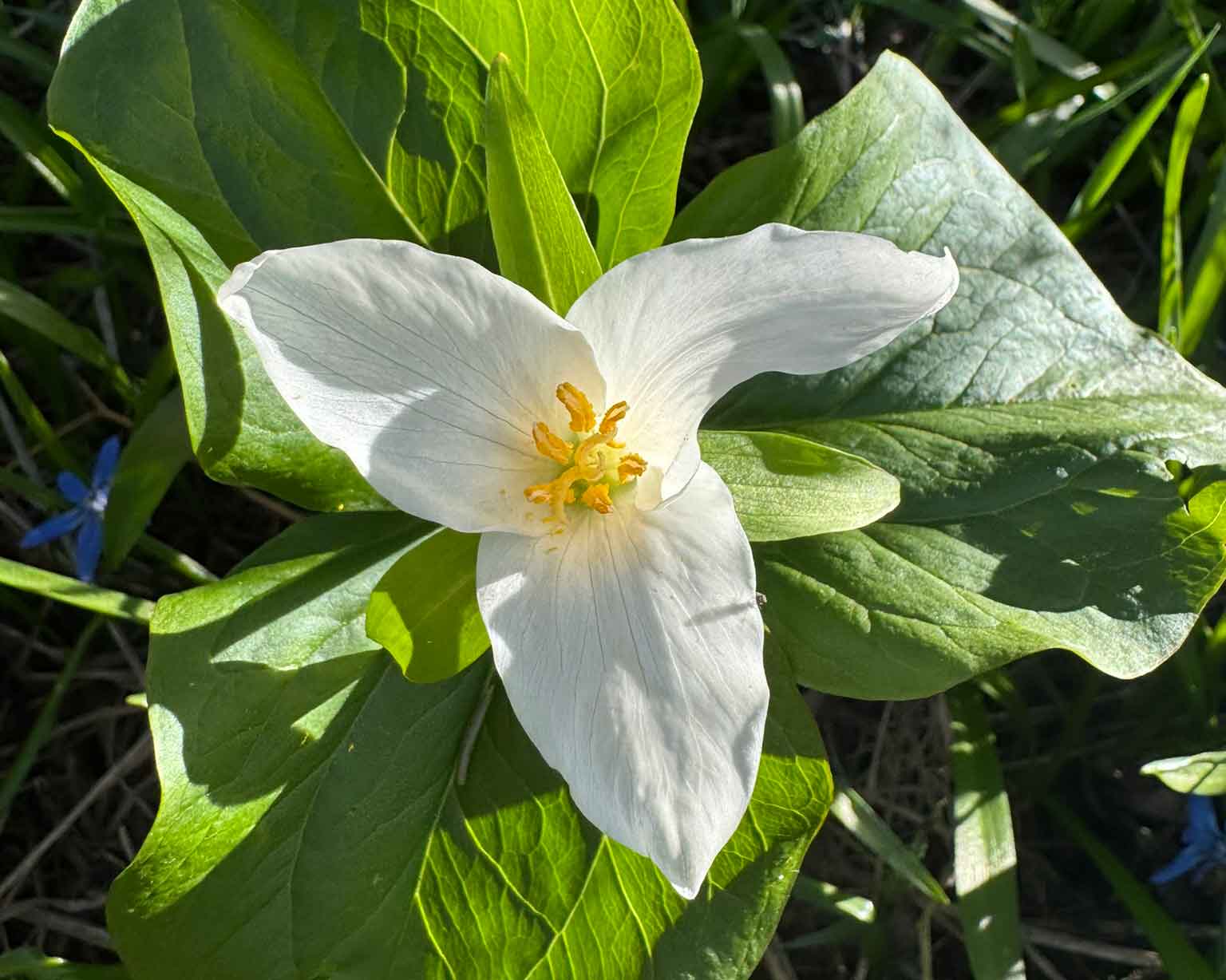
Western Trillium. Photo by Heather Davis
While hydrology may seem distant from botany, low mountain passes facilitate seed dispersal across the provincial boundary. Western species such as western larch and western trillium, common in BC, find footholds in Alberta where these passes allow winds and wildlife to carry seeds across divides. Geography, climate, and elevation together orchestrate the movement of flora.
The next time you set out on a trail in Waterton, pause before your next step. Look closely. The smallest bloom may reveal a story of parasitism, glaciation, atmospheric physics, and continental-scale migration. In Waterton, botanical milestones are everywhere and waiting quietly to be celebrated. Join us for a wildflower walk or simply stop to look closer. You never know what is waiting to be discovered.